
















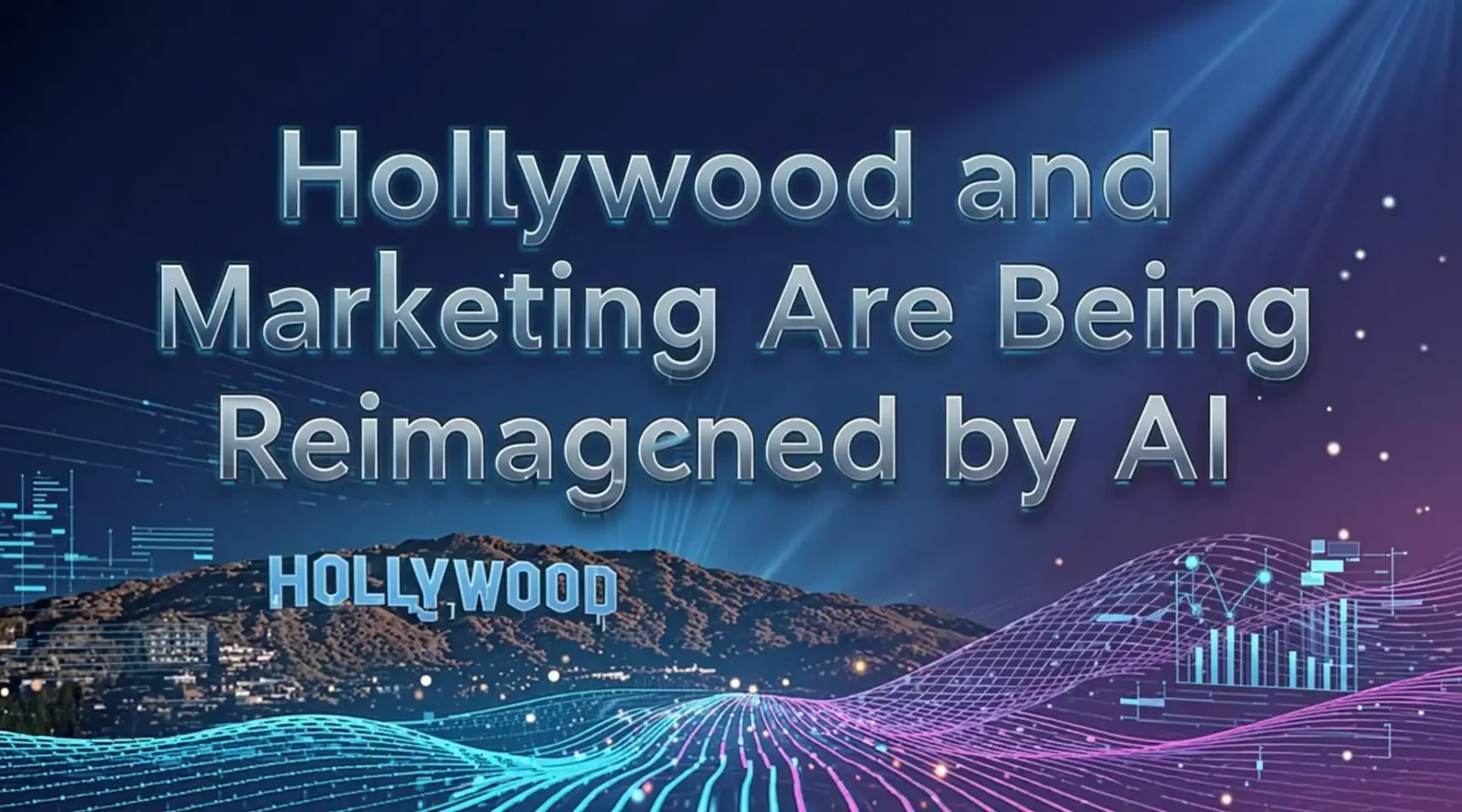
Generative Video: How Hollywood and Marketing Are Being Reimagined by AI
By [KRISHNAN] – Professional Blog Writer
Introduction
The last few years have witnessed an acceleration in artificial‑intelligence research that goes far beyond text‑based chatbots. Today, generative video—the ability of AI models to create, edit, and animate moving images from simple prompts—is reshaping two of the world’s most influential visual arenas: Hollywood filmmaking and brand marketing.
What was once a months‑long, multi‑million‑dollar pipeline of script‑writing, story‑boarding, shooting, and post‑production is now being compressed into days or even hours. The result? New storytelling possibilities, tighter production budgets, and a fundamentally different relationship between creators and technology.
In this post, we’ll explore how generative video is changing the game, examine real‑world examples from both industries, and discuss the ethical and practical challenges that come with this rapid transformation.
- The Tech Behind Generative Video
| Component | What It Does | Leading Models (as of 2024) |
| Text‑to‑Video | Turns natural‑language prompts into short clips. | Runway Gen‑2, OpenAI Sora, Meta Make‑A‑Video |
| Image‑to‑Video | Animates still images, adds motion and depth. | Stable Diffusion Video, Google Imagen Video |
| Style Transfer & Editing | Applies cinematic styles, color grading, or visual effects in real time. | Adobe Firefly Video, NVIDIA Canvas‑Video |
| Audio‑Driven Synchronization | Aligns generated footage with voice‑overs, music, or sound effects. | DeepMind WaveNet‑Video, Resemble AI |
These models rely on massive datasets of movies, TV shows, advertisements, and user‑generated content. By learning patterns of lighting, camera movement, actor performance, and pacing, they can synthesize footage that feels remarkably “human‑made”—often with only a few descriptive sentences as input.
- Hollywood: From Script to Screen in Hours
- Concept‑Proofing and Pre‑Visualization
- Rapid Pitch Decks – Writers can generate a 30‑second visual teaser of a scene to accompany a script pitch, giving producers a concrete sense of tone without costly location shoots.
- Virtual Location Scouting – AI creates realistic renders of imagined settings (e.g., a futuristic cityscape) allowing directors to lock down production design before the first brick is laid.
- Low‑Budget Production
- AI‑Generated Backgrounds – Independent filmmakers replace green‑screen composites with AI‑crafted city skylines, alien planets, or period interiors.
- Synthetic Actors – While deepfake technology raises ethical flags, generative video can produce crowd extras or stunt doubles, freeing budgets for star talent and practical effects.
- Post‑Production Acceleration
- Automatic Rotoscoping & VFX – AI isolates subjects, adds particle effects, or re‑lights a scene in seconds.
- Dynamic Re‑Editing – Directors can ask the model to “make this scene more suspenseful” and receive an instant re‑cut with adjusted pacing, music, and visual intensity.
Case Study: “The Neon Frontier” (2024 Indie Thriller)
The film’s opening chase sequence was conceived entirely in Runway Gen‑2. A single line—“A rainy neon‑lit alley, camera tracking a lone runner, bursts of static interference”—produced a 45‑second clip that served as the visual bible for the entire production. The final edit blended AI‑generated footage with practical shots, reducing the shooting schedule from 30 days to 12.
- Marketing: Hyper‑Personalized Video at Scale
- One‑to‑One Creative
Brands can now generate personalized video ads in real time based on a viewer’s browsing history, location, or even mood. Imagine an ad that shows a sneaker model running through a cityscape that mirrors the user’s hometown skyline—all created on the fly.
- Cost‑Effective Content Pipelines
- Social Media Snippets – A single AI prompt can spawn dozens of short, platform‑specific videos (TikTok, Instagram Reels, YouTube Shorts) without needing a separate shoot for each format.
- A/B Testing at Lightning Speed – Marketers generate multiple variants of a video—different color palettes, voice‑overs, or scene compositions—and run live performance tests within hours.
- Storytelling for Brands
AI empowers brands to craft narrative‑driven campaigns that feel cinematic. A luxury watch maker could instantly produce a series of 15‑second vignettes showing the watch on an astronaut, a deep‑sea diver, and a vintage car collector—tying the product to timeless adventure without a massive production budget.
Case Study: “EcoSpark – The Green Energy Initiative
EcoSpark used Adobe Firefly Video to create a multilingual ad campaign across 12 markets. By feeding the AI a simple script (“A family switches on their lights, the city glows green”), the system produced localized versions that swapped in regional landmarks, languages, and cultural references. The campaign cut creative costs by 68% and delivered a 22% higher engagement rate than the previous year’s static ad set.
- The Ethical & Practical Challenges
| Issue | Why It Matters | Emerging Solutions |
| Deepfake & Consent | AI can replicate actors or create synthetic performers without permission. | Transparent labeling, consent contracts, and industry‑wide watermark standards. |
| Copyright & Data Training | Models are trained on copyrighted footage; generated content may inadvertently replicate protected elements. | Use of licensed training datasets, “style‑blocking” tools, and legal frameworks such as the EU’s AI Act. |
| Quality vs. Authenticity | Over‑reliance on AI may erode the human nuance that makes storytelling resonant. | Hybrid pipelines that keep key creative decisions in human hands while automating repetitive tasks. |
| Job Displacement | Roles like story‑board artists or junior editors could shrink. | Upskilling programs that teach creatives how to prompt and curate AI output, turning them into AI‑orchestrators. |
The consensus among industry leaders is clear: AI is a tool—not a replacement. The most compelling content will arise when visionary storytellers harness generative video to amplify, not eclipse, their own artistry.
- Looking Ahead: The Next Frontier
- Real‑Time Interactive Cinema – Audiences could influence plot points during a screening, with AI generating alternate scenes on the spot.
- Fully AI‑Created Worlds – Imagine a streaming series where every episode’s environment is procedurally generated, offering infinite variation.
- Cross‑Modal Creativity – Combining generative audio, text, and video to produce immersive experiences that adapt to viewer emotion and biometric feedback.
As compute power becomes cheaper and model fidelity improves, the line between “pre‑visualized” and “final cut” will blur. Studios and agencies that embrace a human‑AI collaboration mindset now will shape the cultural narrative of the next decade.
Conclusion
Generative video is no longer a futuristic concept—it’s an active, disruptive force redefining Hollywood and marketing today. From rapid concept visualizations to hyper‑personalized ad experiences, AI is enabling creators to produce more, faster, and with unprecedented creative flexibility. However, the technology also raises essential ethical, legal, and workforce considerations that must be addressed collectively.
The future of visual storytelling will be a partnership: human imagination + AI execution. Those who master this partnership will not only stay ahead of the competition—they’ll shape the very fabric of modern culture.
📌 Keywords
- Generative AI
- Video synthesis
- Creative automation
📢 Hashtags
#GenerativeVideo #AIHollywood #MarketingAI
Disclaimer
The viewpoints expressed in this article are for informational and editorial purposes only. While the technologies and case studies mentioned are based on publicly available information as of April 2026, product capabilities and legal frameworks may evolve rapidly. Readers should conduct their own research and consult legal counsel before implementing AI‑generated video solutions in commercial projects.











Leave a comment