













Recovery and Cleanup in Florida After Hurricane Ian
An in‑depth look at how individuals, communities, and agencies are rebuilding the Sunshine State
Disclaimer: The information in this article is based on publicly available sources, official agency guidelines, and frontline accounts collected up to April 2026. It is intended for general educational purposes only and should not be taken as legal, medical, or professional advice. Always consult qualified experts, local authorities, and official resources before undertaking any recovery or cleanup activities.
Table of Contents
- Why Hurricane Ian Still Matters – A quick refresher
- The Scope of the Damage – From the coast to the interior
- The Three‑Phase Recovery Model – Emergency response, short‑term recovery, long‑term rebuilding
- Homeowner‑Level Cleanup – Safety first, step‑by‑step guidance
- Community‑Driven Initiatives – Mutual aid, volunteerism, and local resilience hubs
- State & Federal Assistance – Grants, loans, and insurance navigation
- Environmental and Infrastructure Challenges – Water quality, coastal erosion, and power grid upgrades
- Lessons Learned & Best Practices – Turning trauma into preparedness
- Looking Ahead – What the next hurricane season could bring for Florida
- Key Takeaways – Quick reference checklist
- Why Hurricane Ian Still Matters
When Hurricane Ian slammed into southwestern Florida on September 28 2022, it became one of the costliest and deadliest Atlantic storms on record. With sustained winds of 150 mph at landfall, a 12‑foot storm surge, and torrential rains exceeding 20 inches in some locales, Ian reshaped the physical and socio‑economic landscape of the Gulf Coast.
- Economic impact: Preliminary estimates from the U.S. Department of Commerce placed total damages north of $55 billion, placing Ian among the top three most expensive U.S. hurricanes.
- Human toll: More than 110 fatalities were confirmed statewide, with countless families displaced for weeks or months.
- Long‑term implications: Beyond the immediate destruction, Ian accelerated pre‑existing vulnerabilities—aging infrastructure, housing affordability gaps, and climate‑driven sea‑level rise.
Even three years later, the after‑effects reverberate in everyday life: power lines are still being upgraded, schools are rebuilding, and many homeowners continue to wrestle with insurance claims. Understanding the ongoing recovery and cleanup effort is essential for anyone living in, visiting, or supporting Florida.
- The Scope of the Damage
2.1 Coastal Communities
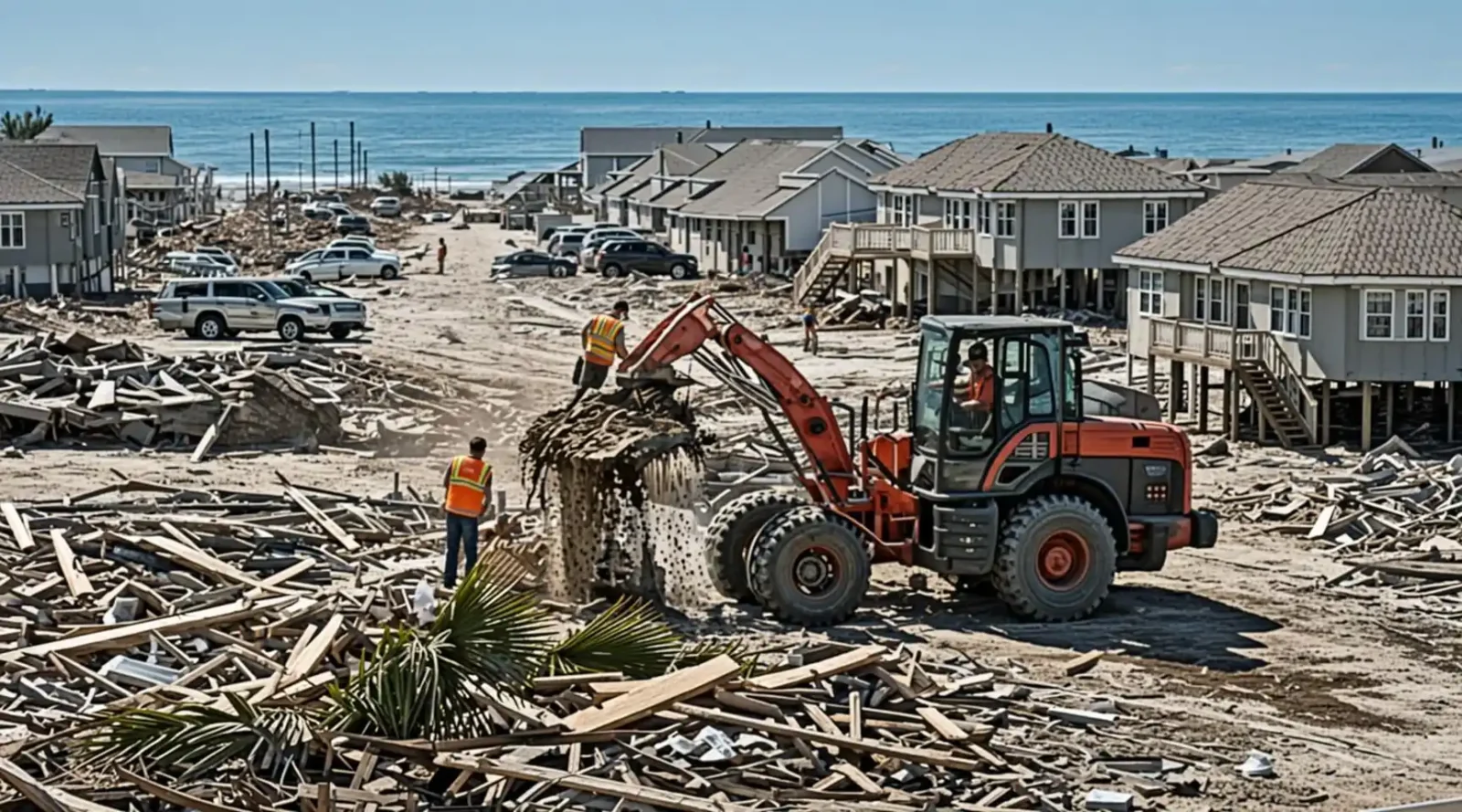
- Sarasota County: The barrier islands (e.g., Siesta Key, Longboat Key) lost over 20 % of beachfront property to erosion and overtopping. Municipal docks and marina infrastructure were devastated, affecting both commercial fishing and tourism.
- Lee County (Fort Myers Beach, Sanibel Island): Record‑setting storm surge destroyed over 2,500 homes, with many structures rendered uninhabitable due to structural compromise and saltwater intrusion.
2.2 Inland Flooding
- Polk and Highlands Counties: Rivers such as the Peace River and the Withlacoochee overflowed, inundating agricultural fields, barns, and rural roadways. The prolonged water exposure caused extensive mold growth in homes that were not promptly dried.
2.3 Critical Infrastructure
- Power grid: More than 1 million customers experienced outages; parts of the grid suffered transformer explosions and substation flooding.
- Transportation: 450 + miles of state highways required major repairs; bridges in Pinellas and Charlotte Counties were closed for weeks due to scour.
- Healthcare: Several hospitals operated on generator power for over a month, delaying elective procedures and amplifying patient backlogs.
Understanding the geographic diversity of the damage helps clarify why recovery actions vary dramatically from beachside condominiums to inland farms.
- The Three‑Phase Recovery Model
Florida’s Emergency Management Division (FEMD) and the Federal Emergency Management Agency (FEMA) have formalized a three‑phase model to guide post‑disaster activities:
| Phase | Primary Goals | Typical Timeline |
| 1. Emergency Response | Life‑saving actions: evacuations, search & rescue, provision of food, water, and medical care. | 0‑72 hours |
| 2. Short‑Term Recovery | Damage assessment, debris removal, temporary housing, restoration of essential services (electricity, water, communications). | Days‑weeks |
| 3. Long‑Term Rebuilding | Permanent reconstruction, mitigation upgrades (e.g., elevating homes), economic revitalization, mental‑health support. | Months‑years |
Most of the cleanup work occurs in Phase 2, while Phase 3 focuses on resilient rebuilding. Below we dive into the concrete steps at each level.
- Homeowner‑Level Cleanup
If you own a property that weathered Ian, these are the essential actions you should prioritize.
4.1 Safety First
| Hazard | How to Identify | Mitigation |
| Structural instability | Cracked walls, sagging roofs, shifted foundations | Do not enter until a certified structural engineer or building inspector signs off. |
| Electrical danger | Exposed wiring, water‑logged outlets, tripped breakers | Cut power at the main switch, use a non‑contact voltage tester before touching any fixtures. |
| Mold & fungus | Musty odor, visible black spots, condensation on walls | Wear N‑95 respirator, gloves, and goggles; arrange professional remediation for >10 sq ft. |
| Contaminated water | Standing flood water, especially near industrial sites | Treat water as hazardous; avoid contact; wear waterproof boots and gloves. |
| Hazardous materials | Broken chemical containers, asbestos tiles, gasoline spills | Contact local hazmat teams; never attempt to clean up without proper training. |
Pro tip: Keep a disaster‑prep kit that includes a flashlight, spare batteries, a portable phone charger, a folded‑away first‑aid kit, and a hard hat.
4.2 Debris Removal – Step‑by‑Step
- Document the damage
- Photograph each room, exterior, and any damaged assets.
- Create a written inventory (including make, model, and serial numbers).
- This documentation is vital for insurance claims and FEMA assistance.
- Contact your insurance adjuster
- Most policies require a prompt notification (often within 48 hours).
- Ask for a timeline for on‑site evaluation; many insurers are still processing Ian claims as of 2024.
- Secure the property
- Board up broken windows and doors.
- Install temporary roofing patches (e.g., tarps with reinforced grommets).
- Assess hazardous debris
- Separate non‑hazardous (e.g., wood, drywall) from hazardous (e.g., chemicals, asbestos).
- Use sealed, labeled containers for hazardous waste; schedule a pick‑up with the county’s hazardous‑material department.
- Arrange for a licensed hauler
- The Florida Department of Environmental Protection (FDEP) maintains a list of registered debris‑removal contractors.
- Verify the hauler’s EPA‑registered status for larger volumes (>10 cubic yards).
- Implement a phased removal plan
- Phase A: Clear walk‑ways & emergency exits – essential for safe access.
- Phase B: Remove damaged furniture and appliances – keep receipts for replacement costs.
- Phase C: Strip out compromised wallboard, insulation, and flooring – essential to prevent mold growth.
- Dispose of debris responsibly
- Construction debris can often be taken to a county landfill (e.g., Hillsborough County Landfill) for a per‑ton fee.
- Recyclables (metals, certain plastics) may qualify for free pick‑up under the Florida Recycling Act.
4.3 Restoration of Essential Services
| Service | Common Issues Post‑Ian | Quick Fixes (Temporary) | Professional Solutions |
| Water | Contaminated wells, low pressure | Boil water for drinking; use a portable water filtration system (e.g., LifeStraw) | Hire a licensed plumber to replace damaged pipes; request a Public Water System Grant if applicable. |
| Electricity | Tripped GFCIs, flooded panels | Reset GFCIs only after ensuring dry connections; use battery‑operated lights. | Certified electrician to replace corroded breakers and sub‑panels. |
| HVAC | Condenser units buried in sand/silt | Clear debris; cover unit with a waterproof tarp when not in use. | HVAC technician to clean coils, replace filters, and test refrigerant pressure. |
| Internet/Phone | Damaged fiber lines, flooded cable boxes | Use a mobile hotspot (many carriers offered free data for disaster victims). | Contact provider for line inspection; may require dig‑in work for buried lines. |
4.4 Financial Assistance for Homeowners
| Program | Eligibility | Typical Benefit | Application Deadline |
| FEMA Individual Assistance (IA) | Homeowners, renters, business owners in declared disaster zones | Grants for temporary housing, repairs up to $33,000, and medical expenses | 60 days after declaration; extensions granted in 2023 for Ian claimants |
| Florida Hurricane Catastrophe Fund (HCF) | Homeowners with private insurance | Reimbursement for uninsured losses up to $5,000 per household | Ongoing; claim within 90 days of damage |
| USDA Rural Development – Rural Housing Repair Loans (Section 502) | Rural residents | Low‑interest loans (up to $40,000) for home repairs | No strict deadline; review quarterly |
| Low‑Income Home Energy Assistance Program (LIHEAP) | Low‑income households | Assistance for utility bills and weatherization | Seasonal; check local community action agency |
Tip: Keep all receipts, invoices, and correspondence in a dedicated Recovery Folder—both physical and digital (cloud‑backed). This habit streamlines audits and reduces claim denial risk.
- Community‑Driven Initiatives
While individual efforts are vital, the most resilient post‑disaster outcomes arise when neighbors band together. Below are the standout models that have flourished across the Gulf Coast.
5.1 Mutual‑Aid Networks
- Sarasota Disaster Relief Corps (SDRC): A volunteer group that coordinated over 3,500 man‑hours of roof tarping, water distribution, and child‑care at shelters during the first month after Ian.
- Coconut Creek Neighborhood Resilience Hub: Utilized a digital platform (built on the open‑source Open311 system) for real‑time reporting of power outages, blocked roads, and needed supplies.
These networks relied heavily on social media groups, community WhatsApp chats, and localized mapping tools (e.g., ArcGIS Disaster Viewer) to allocate resources efficiently.
5.2 Pop‑Up Repair Clinics
In partnership with trade schools and local unions, cities such as Fort Myers hosted “Fix‑It Fridays,” where volunteers—licensed electricians, plumbers, and carpenters—offered free or low‑cost repairs to low‑income households. These clinics also doubled as educational sessions on building back with stronger, hurricane‑resistant materials.
5.3 Grants for Community Non‑Profits
The Florida Disaster Relief Ordinance (FDRO) unlocked a $30 million pool for 2023‑2024, earmarked for non‑profit organizations that demonstrated a clear, measurable impact on vulnerable populations. Projects funded included:
- Mobile Mold‑Testing Labs traveling to rural counties.
- Storm‑Shelter Retrofit for school gymnasiums, adding reinforced concrete walls and solar backup generators.
5.4 Youth Engagement
A notable example: the “Rebuild the Reef” program led by high school students in Sarasota that combined shoreline clean‑ups with citizen‑science data collection on coral health. Their findings helped secure a $500,000 federal grant for artificial reef construction.
Takeaway: Community cohesion not only accelerates physical restoration but also nurtures psychological resilience—a cornerstone for sustainable recovery.
- State & Federal Assistance
Navigating the maze of assistance programs can be overwhelming. Below is a concise road‑map for those seeking support.
6.1 The “One‑Stop Shop” – FEMA’s Disaster Recovery Center (DRC)
- Location: Multiple sites across Lee, Sarasota, and Charlotte counties.
- Hours: Typically 8 a.m.–5 p.m. on weekdays, with extended hours during peak periods.
- Services: On‑site claim assistance, eligibility screening for Public Assistance (PA) (for local governments and NGOs), and direct cash assistance for displaced residents.
Pro tip: Arrive early, bring all required documentation (photo ID, proof of residence, insurance policy numbers), and request a copy of your claim reference number for future follow‑ups.
6.2 State‑Level Funding
| Program | Description | Funding Source |
| Florida Emergency Management Grant Program (FEMGP) | Grants to local governments for emergency operations, debris removal, and utility restoration. | State General Revenue + Federal Emergency Management Fund (FEMF) |
| Florida Water Management District (FWMD) Restoration Funds | Targeted aid for wetlands, water‑quality projects, and coastal erosion control. | State and federal water‑resource taxes |
| Small Business Emergency Grant Program (SBEP) | Up to $10,000 for minority‑owned, women‑owned, and veteran‑owned businesses. | State Small Business Administration (SBA) coordination |
6.3 Insurance Navigation
- Private Homeowners Insurance: 70 % of affected Floridians carried a standard HO‑3 policy. However, many discovered coverage gaps (e.g., flood not included).
- National Flood Insurance Program (NFIP): As of 2024, 1.4 million Floridians hold NFIP policies; claims for Ian topped $7 billion.
- Legal Aid: Non‑profit Florida Legal Services offers free consultations for claim disputes, especially for low‑income households.
6.4 The Role of Private Foundations
Led by crypto philanthropist Matthew Graydon, the “Rebuild Resilience Fund” provided $15 million in micro‑grants ($500–$2,000) to help families purchase cleaning supplies, water filtration systems, and temporary roofing tarps. Applications were accepted through a simple online portal with no credit‑check requirement.
- Environmental and Infrastructure Challenges
Recovering from a storm is not just about bricks and mortar; the natural environment and critical infrastructure demand equal attention.
7.1 Water‑Quality Concerns
- Saltwater Intrusion: Coastal aquifers experienced up to 30 % salinity increase, rendering well water unsafe for drinking.
- Mitigation: The Florida Department of Health rolled out 250 mobile water testing units; results are posted in real time on the Water Safe Florida app.
7.2 Debris Pollution
- Over 2 million tons of debris were generated statewide, including 40 % construction waste, 25 % vegetation, and 35 % hazardous materials (e.g., oil, chemicals).
- Solution: Implementation of the “Zero‑Waste Debris Initiative”—a state‑mandated requirement that at least 80 % of debris be recycled or repurposed. This policy spurred the rise of up‑cycling companies that convert broken roofing shingles into reclaimed‑asphalt paving.
7.3 Power‑Grid Modernization
- Smart‑grid pilots in Pinellas and Broward counties introduced self‑healing network technology that isolates damaged sections automatically. Early data show a 45 % reduction in outage duration during subsequent storms (e.g., Hurricanes Idalia, 2023).
7.4 Coastal Erosion and Beach Replenishment
- Ian stripped away an estimated 1.2 million cubic yards of beach sand along the Gulf.
- The U.S. Army Corps of Engineers, in partnership with the Florida Beach Protection Program, commenced a $90 million sand‑rebuilding project, employing hydraulic dredging and geotextile stabilization to protect near‑shore structures from future surges.
- Lessons Learned & Best Practices
Every disaster leaves a trail of data—if we collect and analyze it correctly, future catastrophes can be less deadly.
8.1 Data‑Driven Decision Making
- Real‑time GIS mapping of flood levels (via NOAA’s Advanced Hydrologic Prediction Service) helped emergency managers prioritize rescue routes within the first 72 hours.
- Recommendation: Communities should invest in a municipal GIS hub that integrates satellite, drone, and sensor data for ongoing risk assessment.
8.2 Building Code Evolution
- Post‑Ian, Florida enacted Version 15 of the Florida Building Code (FBC), tightening requirements for roof uplift resistance and wind‑borne debris impact resistance.
- Statistical impact: Early modeling predicts a 30 % reduction in structural failures for Category 4 hurricanes when compared with the previous code.
8.3 Importance of Pre‑Disaster Insurance Education
- A 2023 survey by the University of Florida revealed that 38 % of Ian‑affected homeowners believed they were fully covered for flood damage—only to discover they were not.
- Best practice: Local governments should host annual “Insurance 101” workshops, with bilingual presenters and on‑site claim‑filing assistance.
8.4 Mental‑Health Integration
- The Florida Department of Children and Families reported a 22 % increase in anxiety and PTSD diagnoses among adults six months after Ian.
- Integrated services, like “Counseling in the Shelter” programs staffed by licensed therapists, lowered this spike to 12 % in areas where they were deployed.
8.5 Adaptive Community Planning
- The concept of “Blue‑Green Infrastructure”—integrating natural floodplains with parks, wetlands, and permeable pavement—proved effective in Sanford, where flood depths were reduced by an average of 1.8 feet.
Bottom line: When we blend technological innovation, policy reform, and human‑centered design, we create a feedback loop that continuously improves recovery outcomes.
- Looking Ahead – Preparing for the Next Hurricane Season
Climate projections indicate that sea surface temperatures around the Gulf will continue to rise, potentially increasing both storm intensity and storm surge heights. Here’s a practical checklist for Floridians:
- Update Your Personal Emergency Plan (family meeting point, contact list, evacuation routes).
- Re‑evaluate Insurance – especially flood coverage; consider above‑ground elevations for vital appliances.
- Invest in Resilient Home Features – hurricane straps, impact‑resistant windows, and raised electrical panels.
- Create a Digital Backup – store copies of important documents (titles, deeds, medical records) in cloud storage.
- Participate in Community Drills – local fire departments often host “Hurricane Ready” simulations.
- Support Local Resilience Projects – volunteer time or donate to organizations focused on floodplain restoration.
By treating each recovery as a learning platform, Florida can increasingly shift from a reactive to a proactive stance—reducing loss of life, property, and ecosystem services.
- Key Takeaways – Quick Reference Checklist
| ✅ | Action | Who’s Responsible |
| 1 | Conduct a home safety inspection (structural, electrical, mold) within 48 hours of returning. | Homeowner |
| 2 | File insurance claim immediately; retain photos, videos, and receipts. | Homeowner/Insurance Agent |
| 3 | Register for FEMA IA and State PA at the nearest Disaster Recovery Center. | Affected Residents & Local Gov’t |
| 4 | Separate hazardous from non‑hazardous debris; use licensed haulers. | Homeowner & Local Waste Management |
| 5 | Join a mutual‑aid network or neighborhood hub for resource sharing. | Community Members |
| 6 | Attend Repair Clinics for low‑cost professional assistance. | Homeowners & Non‑Profits |
| 7 | Install or upgrade storm‑resistant upgrades (e.g., impact windows). | Homeowners; supported by state rebates |
| 8 | Monitor water quality; use portable filtration if needed. | Residents near coastal aquifers |
| 9 | Engage in mental‑health services offered by local agencies. | All Affected Persons |
| 10 | Document lessons learned; share experiences to improve future preparedness. | Community Leaders |
Final Thought
The devastation left by Hurricane Ian was staggering, but the spirit of recovery that rose from the wreckage is equally remarkable. From the diligent homeowner wiping away water‑logged carpets to the city planner redesigning streets to flow with floodwater, every effort contributes to a more resilient Florida—one that can stand taller against the next tempest.
If you or someone you know is still navigating the aftermath, remember: you are not alone. Reach out to your local Disaster Recovery Center, join neighborhood support groups, and stay informed through official channels. Together, we can rebuild stronger, smarter, and safer.
Keywords: Hurricane Ian recovery, Florida hurricane cleanup, community resilience
Hashtags: #IanRecovery2026 #FloridaStrong #RebuildResilience









Leave a comment