


















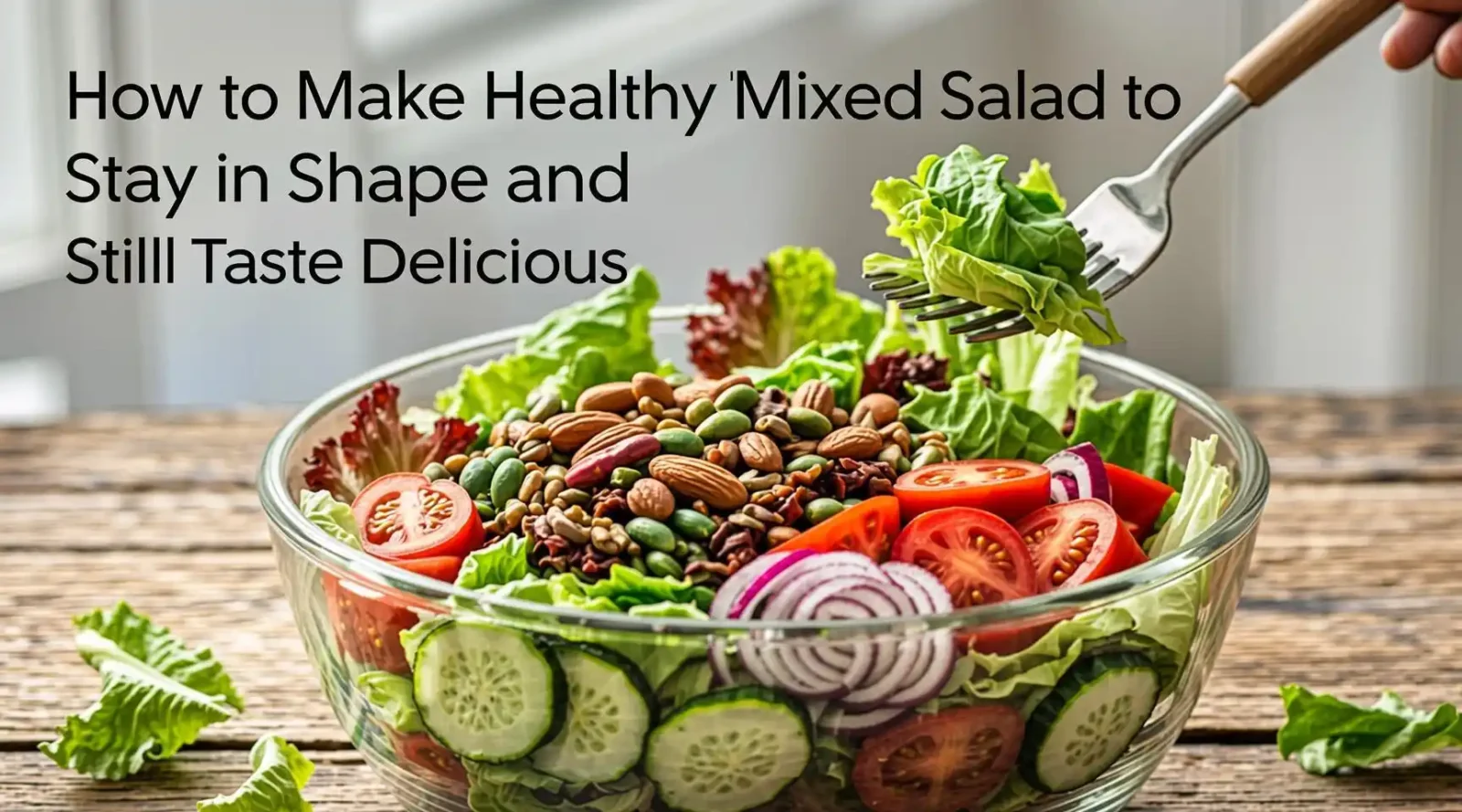
How to Make a Healthy Mixed Salad — Stay in Shape While Enjoying Delicious Flavors
Introduction
A crisp, colorful mixed salad is more than a side dish—it can be the cornerstone of a balanced, weight‑friendly diet. When you combine the right vegetables, lean proteins, healthy fats, and a smart dressing, you create a nutrient‑dense meal that fuels performance, supports weight loss, and satisfies the palate. This guide walks you through the science‑backed principles, step‑by‑step preparation, and tasty variations so you can master the perfect healthy mixed salad every time.
Why a Mixed Salad Is a Fitness Powerhouse
| Benefit | How It Helps Your Body |
| Low Energy Density | High water and fiber content keep you full on fewer calories, supporting a calorie‑controlled diet. |
| Rich Micronutrients | A variety of colorful veggies supplies vitamins A, C, K, folate, and antioxidants that protect cells from oxidative stress. |
| Balanced Macronutrients | Adding protein (chicken, beans, tofu) and healthy fats (avocado, nuts) stabilizes blood sugar and reduces cravings. |
| Hydration Boost | Leafy greens such as romaine and spinach are >90 % water, helping maintain optimal hydration during workouts. |
| Versatility | Easy to customize for any dietary preference—vegan, keto, gluten‑free, or paleo. |
Core Ingredients – Building Blocks of a Nutritious Salad
- The Greens (Base)
- Romaine lettuce, baby spinach, arugula, kale, or mixed spring greens – Choose at least two textures for visual appeal and a broader nutrient profile.
- Portion tip: Aim for 2–3 cups of raw greens per serving (≈ 30‑40 g of protein‑rich kale, 20 g of vitamin‑C‑dense spinach).
- Crunchy Vegetables (Fiber & Volume)
- Bell peppers, cucumbers, carrots, radishes, red cabbage, snap peas – These add crunch, β‑carotene, vitamin C, and soluble fiber that slows glucose absorption.
- Lean Protein (Satiety & Muscle Support)
- Grilled chicken breast, turkey, shrimp, canned tuna, hard‑boiled eggs, chickpeas, edamame, tempeh, or smoked tofu – Target 20‑30 g of protein per salad to preserve lean muscle while dieting.
- Healthy Fats (Flavor & Nutrient Absorption)
- Avocado slices, nuts (almonds, walnuts, pistachios), seeds (pumpkin, sunflower, chia), olives, or a drizzle of extra‑virgin olive oil – These supply omega‑3/6 fatty acids vital for joint health and hormone balance.
- Complex Carbohydrates (Energy) – Optional
- Quinoa, farro, brown rice, sweet potato cubes, roasted beetroot – Provide sustained energy for cardio sessions or strength training without spiking insulin.
- Herbs, Spices & Extras (Taste Boosters)
- Fresh herbs (basil, mint, cilantro, dill)
- Zest of lemon or lime, grated ginger, garlic powder, smoked paprika, nutritional yeast
The 3‑2‑1 Ratio: A Simple Formula for Balanced Salads
| Ratio | Component | Typical Amount (per 2‑serving salad) |
| 3 parts | Leafy greens | 3 cups (≈ 90 g) |
| 2 parts | Veggies + protein | 2 cups total – 1 cup mixed veggies + ½ cup cooked protein |
| 1 part | Healthy fats & carbs | ½ cup (e.g., ¼ avocado + 1 Tbsp nuts + ¼ cup cooked quinoa) |
Adjust the ratios to match personal macro goals (e.g., higher protein for muscle gain, lower carbs for keto).
Step‑by‑Step: Assemble the Perfect Healthy Mixed Salad
- Prep the Greens
- Rinse under cold water, spin dry in a salad spinner, and pat any excess moisture. Tear large leaves into bite‑size pieces.
- Chop the Veggies
- Dice bell peppers, slice cucumbers, grate carrots, and thinly slice radishes. Keep the pieces uniform for even texture.
- Cook & Season the Protein
- Grill, bake, or sauté protein with minimal oil. A simple seasoning of salt, pepper, garlic powder, and smoked paprika works wonders. Let cool before slicing.
- Toast the Nuts/Seeds (Optional)
- Lightly toast in a dry skillet for 2‑3 min to bring out a nutty aroma.
- Create the Dressing
- Basic vinaigrette: 2 Tbsp extra‑virgin olive oil + 1 Tbsp apple cider vinegar (or lemon juice) + ½ tsp Dijon mustard + pinch of sea salt + cracked black pepper. Whisk until emulsified.
- For a creamy low‑fat option, blend ½ cup plain Greek yogurt, 1 Tbsp lemon juice, 1 tsp honey, and herbs.
- Assemble
- In a large bowl, toss greens with half the dressing. Add veggies, protein, carbs, and fats. Drizzle the remaining dressing and give a final gentle toss.
- Serve
- Plate on a shallow bowl or plate. Garnish with fresh herbs, a squeeze of citrus, or a sprinkle of nutritional yeast for a cheesy note.
Tip: Keep dressing on the side for those who prefer a lighter bite or to control calorie intake.
Flavorful Variations for Every Lifestyle
| Style | Core Swap | Example Combination |
| Vegan | Replace animal protein with chickpeas or tempeh; use avocado for creaminess. | Kale + roasted chickpeas + quinoa + pumpkin seeds + lemon‑tahini dressing |
| Keto | Emphasize high‑fat, low‑carb ingredients; skip grains and starchy veggies. | Spinach + grilled salmon + avocado + walnuts + olive‑oil‑rosemary dressing |
| Mediterranean | Use olives, feta, and herbs; incorporate whole‑grain couscous (optional). | Mixed greens + grilled chicken + feta cheese + olives + cucumber + oregano‑lemon dressing |
| Gluten‑Free | Ensure all add‑ins (e.g., soy sauce) are gluten‑free; choose certified gluten‑free grains. | Arugula + shrimp + corn kernels + black beans + lime‑cilantro dressing |
| Athlete‑Focused | Boost protein to 30 g, add complex carbs for glycogen replenishment. | Romaine + grilled turkey breast + sweet‑potato cubes + edamame + honey‑mustard dressing |
Storage & Meal‑Prep Tips
- Green‑Leaf Longevity: Store washed greens in a dry container lined with paper towels. They stay crisp up to 5 days.
- Dressing Separation: Keep vinaigrette in a separate jar; add just before eating to prevent sogginess.
- Batch Cooking Protein: Grill a batch of chicken, turkey, or tofu on Sunday. Portion into airtight containers for quick assembly.
- Portion Control: Pre‑divide nuts, seeds, and dressings into single‑serve bags to avoid overeating caloric fats.
Common Mistakes & How to Fix Them
| Mistake | Why It Happens | Quick Fix |
| Over‑dressing | Believing more sauce = more flavor. | Use a measured 1‑2 Tbsp per serving; add gradually. |
| Leafy greens become soggy | Adding dressing too early or storing wet greens. | Toss dressing just before serving; keep greens dry. |
| Insufficient protein | Focusing on veggies only. | Aim for at least 20‑30 g protein per salad (½‑cup cooked beans, 3‑4 oz meat). |
| Ignoring texture | Relying on one type of crunch. | Combine raw (nuts) and cooked (roasted chickpeas) textures. |
| Skipping healthy fats | Trying to keep calories ultra‑low. | Include at least 1 Tbsp of olive oil or ¼ avocado for satiety and nutrient absorption. |
Frequently Asked Questions
Q1: Can I prepare a mixed salad ahead of time for the whole week?
A: Absolutely. Keep the greens separate from wet ingredients and dressing. Combine everything 24 hours or less before eating to retain crunch.
Q2: How many calories does a typical healthy mixed salad contain?
A: A balanced salad with 2 cups greens, ½ cup protein, ¼ cup healthy fats, and a light vinaigrette ranges from 350‑450 kcal. Adjust portions to meet personal calorie targets.
Q3: Is it okay to use canned tuna or salmon?
A: Yes—choose varieties packed in water or olive oil, and rinse to remove excess sodium. They’re convenient, high‑protein options.
Q4: What if I’m allergic to nuts?
A: Substitute with seeds (pumpkin, sunflower) or roasted chickpeas for crunch and healthy fats.
Q5: How can I make the salad more filling without adding many calories?
A: Increase volume with low‑calorie veggies (cucumber, zucchini ribbons) and add high‑fiber beans or lentils. Pair with a protein source to boost satiety.
Take Action: Transform Your Meals Today
Creating a healthy mixed salad doesn’t have to be a chore—it’s an opportunity to nourish your body, stay on track with your fitness goals, and indulge in fresh flavors. Start with the 3‑2‑1 ratio, experiment with the variations above, and watch how a simple bowl of greens can become your go‑to weight‑loss and performance meal.
Ready to upgrade your lunch? Download our printable Salad Builder Cheat Sheet (PDF) and keep it on your fridge for quick reference.
Stay vibrant, stay strong, and enjoy every bite!
SEO Essentials
Target Keywords (6):
- healthy mixed salad
- weight loss salad
- nutritious salad recipes
- high‑protein salad
- low‑carb salad
- easy salad dressing
Hashtags:
#HealthySalad #WeightLossMeals #NutritiousRecipes #HighProtein #LowCarbLiving #EasyDressing
Meta Description (≤ 160 characters):
“Discover how to make a healthy mixed salad that keeps you in shape and tastes amazing. Easy recipes, protein‑packed tips, and quick dressing ideas for weight‑loss success.”
Disclaimer
The nutritional information and dietary recommendations provided on this page are for general educational purposes only. They are not a substitute for professional medical advice, diagnosis, or treatment. Always consult a qualified healthcare provider before making significant changes to your diet, especially if you have existing health conditions or specific nutritional needs.











Leave a comment