


















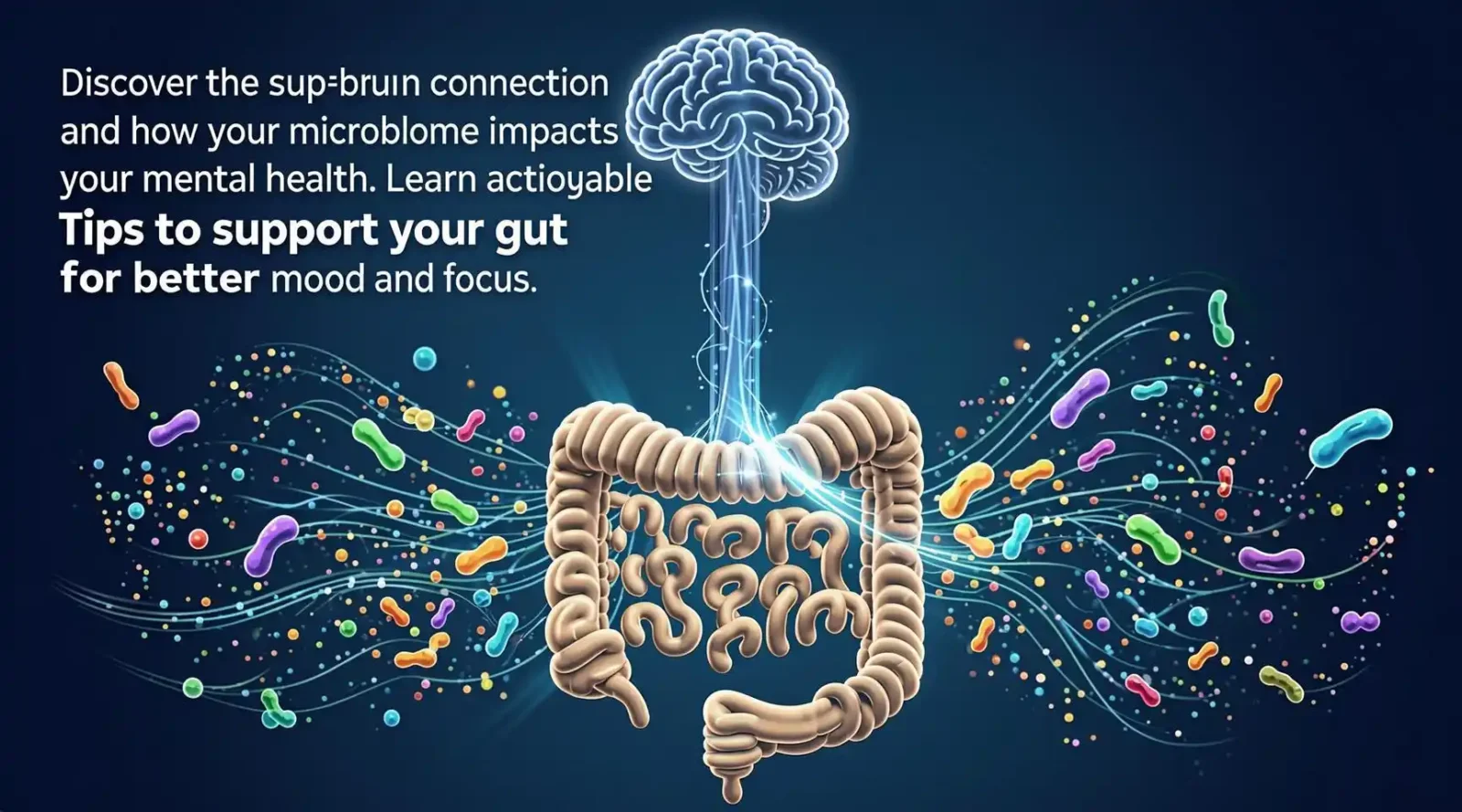
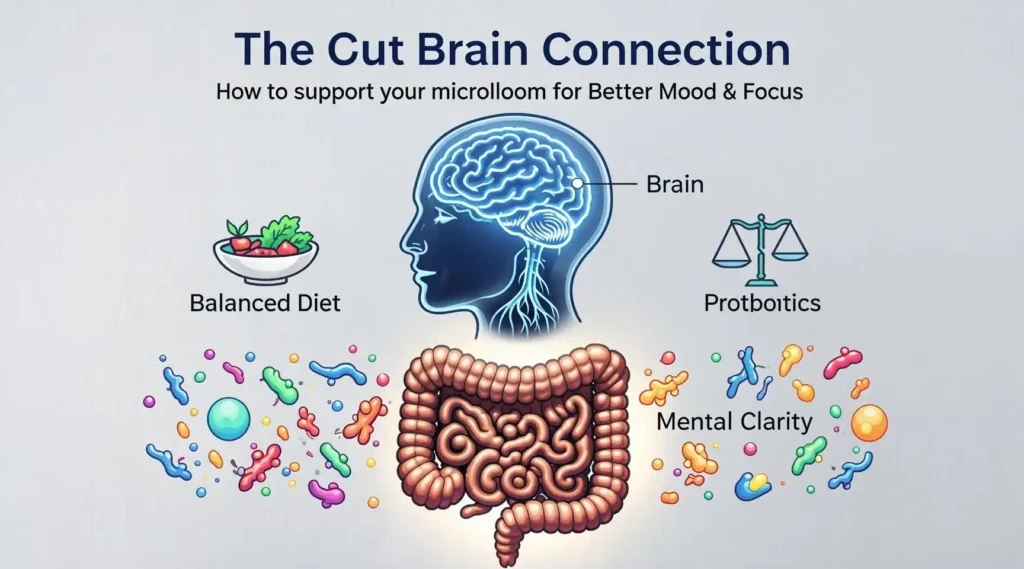
The Gut‑Brain Connection: How to Support Your Microbiome for Better Mood & Focus
Keywords: gut‑brain axis, microbiome health, mental clarity
Introduction – Why Your Gut Deserves a Seat at the Brain’s Table
You’ve probably heard the phrase “butterflies in the stomach” when you’re nervous, or that a “crappy day” often ends with a greasy pizza. Those sayings aren’t just poetic—they hint at a real, two‑way conversation between the brain and the gut that can shape how we feel, think, and behave.
In the past decade, scientists have uncovered a bustling microbial metropolis living in our intestines, and they’ve learned that it’s more than a passive passenger. The trillions of bacteria, fungi, viruses, and archaea that make up the microbiome constantly send chemical messengers to the brain, influencing mood, anxiety, attention, and even memory.
If you’ve ever experienced a “brain fog” after a heavy meal, felt more anxious when antibiotics wiped out gut flora, or noticed an uplift after a probiotic yogurt, you’ve directly sensed the gut‑brain axis at work.
In this deep‑dive guide (≈ 2 300 words), we’ll explore:
- The science behind the gut‑brain connection.
- How microbiome imbalances can sabotage mood and focus.
- Evidence‑backed strategies—diet, lifestyle, and supplements—to nurture a thriving gut ecosystem and, in turn, a sharper, steadier mind.
Whether you’re a busy professional seeking sustained concentration, a student battling exam‑related anxiety, or simply curious about how to feel better from the inside out, this post offers a step‑by‑step roadmap to optimise your microbiome for mental clarity.
- The Gut‑Brain Axis: A Two‑Way Superhighway
1.1 Anatomy of the Connection
| Component | Primary Role | Key Neuro‑Chemical/Pathway |
| Vagus Nerve | Direct bidirectional signaling between gut and brain | Acetylcholine, serotonin |
| Enteric Nervous System (ENS) | “Second brain” of ~100 million neurons controlling gut motility | GABA, nitric oxide |
| Immune System | Gut-associated lymphoid tissue (GALT) releases cytokines that affect brain inflammation | IL‑6, TNF‑α |
| Microbial Metabolites | Short‑Chain Fatty Acids (SCFAs), tryptophan derivatives, secondary bile acids | Butyrate, propionate, indoles |
| Hormonal Axis | Gut releases hormones (ghrelin, peptide YY) that inform the hypothalamus | Cortisol, dopamine |
The vagus nerve is the most well‑studied conduit, sending roughly 80 % of its fibers from gut to brain. When beneficial microbes ferment fiber, they generate short‑chain fatty acids (SCFAs) such as butyrate, which cross the blood‑brain barrier and promote neurogenesis, reduce inflammation, and enhance neurotransmitter synthesis.
1.2 The Microbiome’s Language
Gut microbes “talk” to us using a vocabulary of chemical signals:
- Serotonin – ~ 90 % is produced in the gut. Certain Lactobacillus and Bifidobacterium strains stimulate enterochromaffin cells to release serotonin, a key mood regulator.
- Gamma‑Aminobutyric Acid (GABA) – Inhibitory neurotransmitter that calms the nervous system. Lactobacillus rhamnosus has been shown in animal studies to increase GABA production, reducing anxiety‑like behavior.
- Tryptophan Metabolites – Tryptophan is the precursor to serotonin. Microbial conversion to indole derivatives can modulate the brain’s kynurenine pathway, influencing depression and cognitive fatigue.
- SCFAs – Beyond energy, SCFAs modulate microglial activation (the brain’s immune cells), keeping neuro‑inflammation in check.
When these signals stay balanced, you experience stable mood, emotional resilience, and mental clarity. When the microbial community is disrupted—what scientists call dysbiosis—the conversation turns noisy, leading to heightened stress hormones, neuro‑inflammation, and impaired cognition.
- How Dysbiosis Derails Mood & Focus
2.1 Common Triggers of Microbial Imbalance
| Trigger | Effect on Microbiome | Potential Mood/Focus Consequence |
| Antibiotics | Broad‑spectrum kills beneficial strains | Increased anxiety, brain fog |
| Western Diet (high sugar, low fiber) | Low SCFA production, overgrowth of Proteobacteria | Mood swings, irritability |
| Chronic Stress | Alters gut permeability (“leaky gut”), shifts composition | Heightened cortisol, attention deficits |
| Lack of Sleep | Disrupts circadian rhythm of microbes | Reduced dopamine, sluggish cognition |
| Excess Alcohol | Damages mucus layer, promotes dysbiosis | Depressive symptoms, memory lapses |
| Sedentary Lifestyle | Low gut motility, reduced microbial diversity | Fatigue, reduced mental stamina |
A single episode of antibiotic therapy can knock out up to 30 % of native gut bacteria, sometimes taking months for full recovery. Without timely re‑colonisation, the vacant niches are filled by opportunistic, often inflammatory microbes—setting the stage for emotional turbulence.
2.2 Science‑Backed Links
- Depression: A 2020 meta‑analysis of 34 studies found that people with major depressive disorder had significantly lower Faecalibacterium and Coprococcus (butyrate‑producing genera) and higher Enterobacteriaceae.
- Anxiety: In rodent models, oral administration of Lactobacillus helveticus reduced plasma cortisol and improved performance on the elevated plus‑maze test—a standard anxiety assay.
- Cognitive Function: Human trials show that a 4‑week regimen of a multi‑strain probiotic (including Bifidobacterium longum) improved working memory scores by 9 % compared to placebo.
- Attention‑Deficit/Hyperactivity Disorder (ADHD): Preliminary studies reported that children receiving a gut‑focused probiotic showed decreased inattentiveness and hyperactivity after 12 weeks.
These findings are still evolving, but the pattern is clear: A well‑balanced microbiome correlates with better emotional regulation and sharper focus.
- Building a Microbiome that Fuels Mood & Focus
Below is a practical, evidence‑based toolkit. Feel free to cherry‑pick what resonates with your lifestyle, but aim for a holistic approach—diet, movement, stress management, and targeted supplementation work synergistically.
3.1 Diet – The Foundation
3.1.1 Prioritise Fiber‑Rich Plant Foods
- Why: Fermentable fibers (inulin, arabinoxylan, resistant starch) feed beneficial bacteria, boosting SCFA production.
- Goal: 25–35 g of total fiber daily, with at least 10 g coming from prebiotic sources.
| Food | Prebiotic Fiber Type | Approx. Amount (Serving) |
| Chicory root | Inulin | 1 tsp (5 g) |
| Jerusalem artichoke | Inulin | ½ cup (75 g) |
| Garlic, onion, leeks | Fructooligosaccharides (FOS) | 1 clove / 1 small onion |
| Asparagus, banana (unripe) | Fructans | ½ cup asparagus |
| Oats, barley, whole wheat | β‑glucan | ½ cup cooked oats |
| Legumes (lentils, chickpeas) | Resistant starch | ½ cup cooked |
Tip: Introduce high‑prebiotic foods gradually to avoid gas and bloating—start with a teaspoon of inulin per day and step up over two weeks.
3.1.2 Include Fermented Foods Daily
| Food | Key Microbial Strains | Serving Recommendation |
| Yogurt (plain, live‑culture) | Lactobacillus bulgaricus, Streptococcus thermophilus | ½ cup |
| Kefir | Lactobacillus kefiri, Bifidobacterium spp. | ½ cup |
| Sauerkraut (raw, unpasteurised) | Leuconostoc spp., Lactobacillus plantarum | 2–3 Tbsp |
| Kimchi | Lactobacillus kimchii, Leuconostoc spp. | 2–3 Tbsp |
| Kombucha | Brettanomyces spp., Acetobacter spp. | ½ cup |
| Miso, tempeh | Rhizopus spp., Bacillus subtilis | 1–2 Tbsp miso soup, ½ cup tempeh |
Fermented foods add live microbial diversity, which can transiently colonise the gut, seed beneficial taxa, and amplify SCFA production. Look for unpasteurised or refrigerated products; high‑heat processing kills the microbes.
3.1.3 Embrace Polyphenol‑Rich Foods
Polyphenols act as “prebiotics for the microbiome” by stimulating growth of Bifidobacteria and Lactobacilli.
- Sources: Berries, green tea, cocoa, dark chocolate (> 70 % cocoa), rosemary, turmeric, red grapes, olives.
- Dosage: 1–2 cups of berries, 2–3 cups of green tea, or a 20‑gram piece of dark chocolate per day.
3.1.4 Balance Fats – Omega‑3s for Brain & Gut
- EPA/DHA (from fatty fish, algae oil) reduce systemic inflammation, which protects the gut barrier.
- Plant‑based omega‑3 (ALA) from flaxseed, chia, walnuts is a supportive addition.
Aim for 2–3 servings of oily fish weekly (salmon, sardines, mackerel) or a 250 mg algae‑derived EPA/DHA supplement.
3.1.5 Trim the “Gut‑Saboteurs”
| Item | Why Limit | Recommended Upper Limit |
| Added sugar & high‑fructose corn syrup | Feeds opportunistic yeast (Candida) & Proteobacteria | < 5 % of total calories |
| Refined grains (white bread, pastry) | Low fibre, spikes blood glucose | Replace with whole‑grain alternatives |
| Processed meats (sausage, bacon) | Contain nitrates, promote inflammation | < 2 times/week |
| Artificial sweeteners (aspartame, sucralose) | May alter glucose metabolism and gut flora | Avoid or use sparingly |
| Excess caffeine (> 400 mg/day) | Can increase gut permeability in sensitive individuals | 2–3 cups coffee/tea max |
3.2 Lifestyle Hacks for a Happy Microbiome
3.2.1 Move Your Body – Exercise as a Microbial Modulator
- Aerobic workouts (running, brisk walking, cycling) raise Bacteroidetes and overall diversity.
- Resistance training promotes Akkermansia muciniphila, a bacterium linked to improved gut barrier function.
Prescription: 150 minutes of moderate aerobic activity + 2 strength sessions per week. Even short “micro‑workouts” (10‑minute walk after meals) produce measurable microbiome benefits.
3.2.2 Prioritise Sleep – The Circadian Clock Controls Microbes
- Gut microbes follow a ~ 24‑hour rhythm. Disrupted sleep flattens this oscillation, leading to dysbiosis and heightened cortisol.
Tips for optimal sleep:
- Consistent bedtime (same time ± 30 min).
- Dark, cool room (≈ 18 °C).
- Limit blue‑light exposure 1 hour before bed (use “night‑shift” mode).
- Avoid late‑night high‑sugar meals that feed harmful bacteria.
3.2.3 Stress Management – Calm the Vagus, Calm the Gut
- Heart‑rate variability (HRV) training (deep diaphragmatic breathing, 4‑7‑8 technique) directly stimulates the vagus nerve, lowering gut permeability.
- Mindfulness or meditation (10 min daily) reduces cortisol and supports Lactobacillus growth.
Practical routine: 5‑minute box breathing before meals.
3.2.4 Hydration & Electrolytes
Water is the solvent of microbial metabolism. Aim for 2–2.5 L of plain water daily, plus a pinch of sea salt or a splash of lemon to maintain gut mucosal integrity.
3.2.5 Reduce Environmental Toxins
- Limit exposure to pesticides (choose organic where possible).
- Avoid excess alcohol (> 2 drinks per day) which disrupts the gut barrier and depletes beneficial microbes.
3.3 Targeted Supplements – When Food Isn’t Enough
| Supplement | Typical Dose | Evidence for Mood/Focus | When to Use |
| Broad‑Spectrum Probiotic (≥ 10 billion CFU, multiple strains) | 1 capsule daily | Improves stress resilience, working memory (Meta‑analysis 2022) | After antibiotics, chronic stress |
| Specific Strain: Lactobacillus rhamnosus JB‑1 | 10 billion CFU | Lowers cortisol, reduces anxiety in humans (RCT 2021) | Anxiety‑dominant symptoms |
| Specific Strain: Bifidobacterium longum BB536 | 5–10 billion CFU | Enhances mental clarity, reduces rumination (J Psychiatry 2019) | Brain‑fog episodes |
| Prebiotic Inulin or GOS | 5 g daily (gradually increase) | Boosts Bifidobacteria, improves mood scores (Pilot 2020) | Low fibre intake |
| Butyrate (Sodium butyrate) | 300 mg capsules | Directly fuels colonocytes, reduces neuro‑inflammation | Severe dysbiosis, IBS |
| Omega‑3 (EPA/DHA) | 1 g total EPA+DHA | Supports serotonin pathways, improves attention | Low fish intake |
| Vitamin D3 | 2000–4000 IU daily (based on serum) | Modulates gut barrier, mood regulation | Winter months, low sunlight |
| Magnesium (glycinate) | 200‑400 mg nightly | Calms the nervous system, supports GABA | Insomnia, anxiety |
Choosing a probiotic: Look for CFU count ≥ 10 billion, multiple strains, and shelf‑stable packaging (no refrigeration needed). If you have a specific concern (e.g., anxiety), a single‑strain product with documented efficacy can be more targeted.
- Putting It All Together – A 7‑Day Action Plan
Below is a sample week that integrates food, lifestyle, and supplements. Feel free to adapt to your schedule and preferences.
| Day | Morning | Mid‑Day | Evening | Supplement |
| Mon | 1️⃣ Warm water + lemon ☕ 1 cup green tea 🥣 Oatmeal with 1 tbsp chia, ½ cup berries, 1 tsp inulin |
2 cups mixed salad (spinach, arugula, carrots) + 4 oz grilled salmon 1 tbsp sauerkraut |
½ cup kefir + ½ cup pineapple 30‑min brisk walk 10‑min box breathing before bed |
Probiotic (multi‑strain) 1 caps, Omega‑3 1 g, Vitamin D3 2000 IU |
| Tue | 1 cup black coffee (≤ 2 cups total) Greek yogurt + 1 tbsp raw honey + ¼ cup walnuts |
Lentil soup + ½ cup quinoa + 2 tbsp kimchi | Dark chocolate (20 g) + herbal tea Yoga (20 min) |
Prebiotic inulin 3 g (mix in water) |
| Wed | Smoothie: spinach, frozen berries, ½ banana, almond milk, 1 tsp flaxseed | Turkey wrap with whole‑grain tortilla, cucumber, avocado, 2 tbsp hummus | ½ cup kombucha (unsweetened) 20‑minute walk after dinner |
Probiotic (L. rhamnosus) 10 billion |
| Thu | 2 boiled eggs, 1 slice whole‑grain toast, ½ avocado | Buddha bowl: brown rice, roasted veggies, tempeh, 2 tbsp tahini, 1 tbsp kimchi | ½ cup kefir + ¼ cup blueberries Progressive muscle relaxation (10 min) |
Magnesium glycinate 200 mg |
| Fri | Matcha latte (unsweetened) Overnight oats (rolled oats, almond milk, 1 tsp inulin, cinnamon) |
Salmon salad with mixed greens, walnuts, olive oil dressing | 1 serving mushroom broth (rich in beta‑glucans) Light resistance training (bodyweight) |
Probiotic (B. longum) 5 billion |
| Sat | Pancakes made with oat flour, 1 tbsp ground flaxseed, topped with fresh strawberries | Grilled chicken, quinoa tabbouleh, 2 tbsp sauerkraut | 1 cup herbal tea (chamomile) Evening walk (30 min) |
Butyrate capsule 300 mg |
| Sun | 30‑min nature walk (fasted) Green juice (kale, cucumber, apple) |
Vegetable stew with lentils, carrots, celery, 1 tbsp miso (added at end) | ½ cup kefir + 2 tbsp blueberries Meditation (15 min) |
Rest day – no supplement (allow gut to reset) |
Key takeaways from the plan:
- Fiber & prebiotics are spread across each day to maintain a steady SCFA supply.
- Fermented foods appear at least once daily, delivering live microbes.
- Probiotics are cycled; you can rotate strains weekly or stick to a multi‑strain formula.
- Stress‑reduction techniques (breathing, yoga, meditation) are placed before sleep to optimise vagal tone.
- Frequently Asked Questions (FAQ)
| Question | Short Answer |
| Can a probiotic “cure” depression? | No single supplement replaces therapy or medication, but many trials show adjunctive benefits—lowering depressive scores when added to standard care. |
| Do all fibers work the same? | No. Soluble (inulin, beta‑glucan) are highly fermentable and boost SCFAs; insoluble (wheat bran) add bulk but are less fermentable. A mix is best. |
| How long does it take to feel mental benefits? | Research suggests 2‑4 weeks for measurable mood changes, though individual response varies. Consistency is critical. |
| What if I’m vegan/vegetarian? | Focus on plant‑based fermented foods (tempeh, miso, sauerkraut), algae‑derived omega‑3s, and diverse legumes for prebiotics. |
| Is coffee bad for the gut‑brain axis? | Moderate coffee (≤ 2 cups) is neutral to positive for cognition; excessive caffeine may increase gut permeability in sensitive people. |
| Should I test my microbiome? | Direct‑to‑consumer stool tests can give a broad picture, but actionable insights often come from diet/lifestyle changes rather than test results alone. |
- The Bottom Line – Your Brain Is Waiting for a Happy Gut
Your mental wellbeing isn’t locked inside the skull; it’s co‑authored by trillions of microscopic partners living in your intestines. By feeding them the right fibers, welcoming fermented allies, moving regularly, sleeping soundly, and managing stress, you lay the groundwork for a balanced gut‑brain axis that supports calm mood, resilient stress response, and razor‑sharp focus.
Think of your microbiome as a personal trainer for the brain: the stronger and more diverse the microbial community, the more efficiently it supplies neuro‑protective metabolites, dampens inflammation, and communicates via the vagus nerve.
Start small—swap a sugary snack for a handful of berries, add a spoonful of inulin to your morning coffee, or take a 5‑minute breathing break before lunch. Over weeks, those micro‑adjustments compound, and you’ll notice the fog lifting, anxiety easing, and productivity climbing.
Your journey to a brighter mind begins with the food you feed your gut.
Hashtags
#GutBrainConnection #MicrobiomeMatters #MoodAndFocus
Disclaimer
The information presented in this article is for educational and informational purposes only. It does not constitute medical advice, diagnosis, or treatment. Always consult a qualified healthcare professional before making any changes to your diet, supplement regimen, or lifestyle, especially if you have existing health conditions, are pregnant or nursing, or are taking prescription medications.














Leave a comment