
















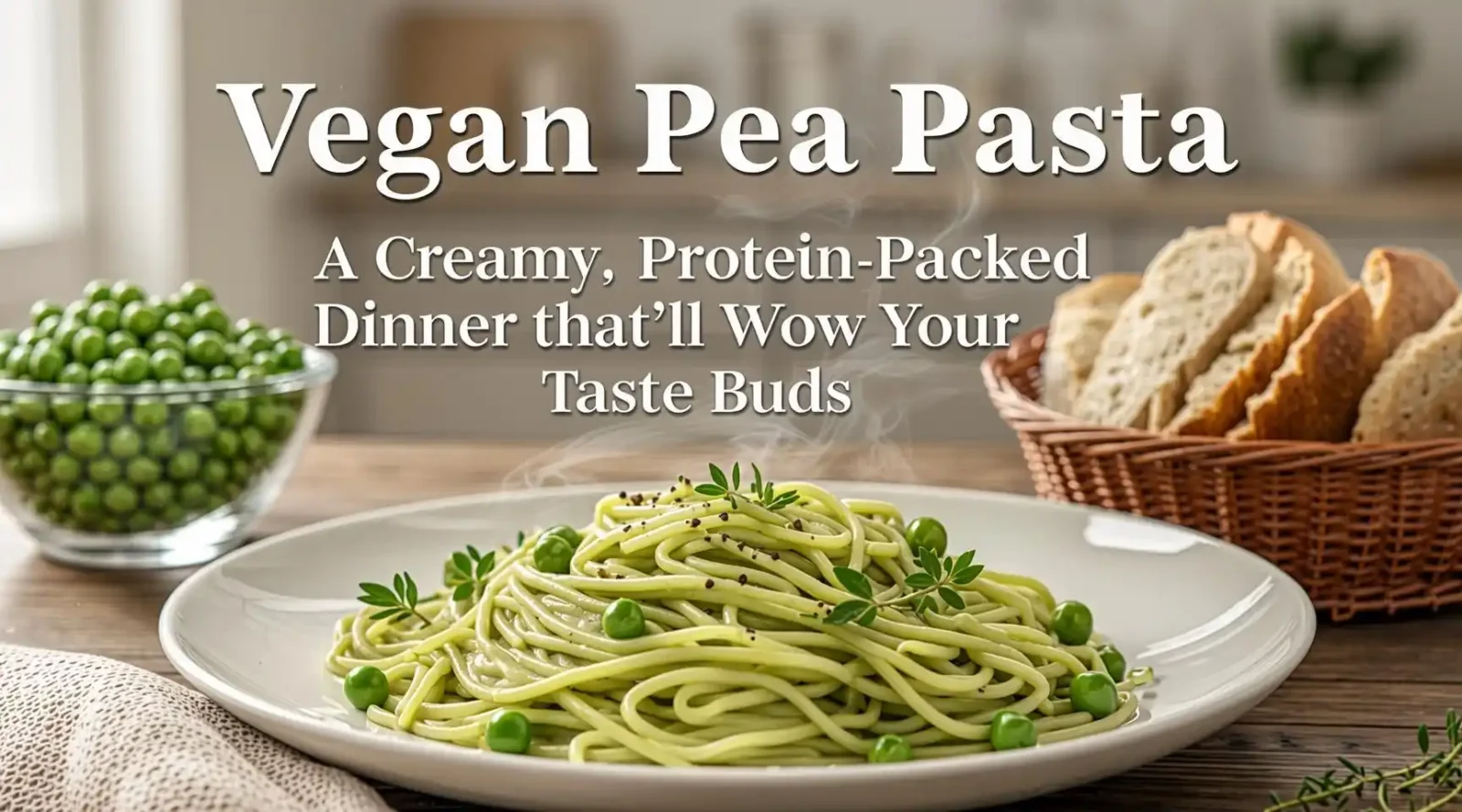
Vegan Pea Pasta: A Creamy, Protein‑Packed Dinner That’ll Wow Your Taste Buds
Your ultimate guide to a plant‑based, gluten‑friendly pasta that’s as nutritious as it is comforting.
📖 Table of Contents
- Why This Recipe Belongs in Your Rotation
- Ingredient Rundown – Fresh, Simple, Sustainable
- Equipment You’ll Need (No Fancy Gadgets Required)
- Step‑by‑Step: From Boiling to Sauce‑Swirl
- Nutritional Spotlight – What’s Inside the Green Gold?
- Flavor‑Boosting Variations & DIY Twists
- Storing, Reheating, and Freezing Tips
- Frequently Asked Questions
- Final Thoughts – Make It Your Signature Dish
- Why This Recipe Belongs in Your Rotation
If you’ve ever stared at a pantry full of dried pasta and felt a twinge of guilt because you’re trying to eat more plant‑based, this vegan pea pasta is the answer. It delivers three things most dinner plates crave:
| ✅ | Benefit | How It Happens |
| Protein Power | 9 g of plant‑based protein per serving | Split peas are naturally protein‑dense; the sauce doubles that count. |
| Fiber & Micronutrient Boost | 8 g fiber + vitamins A, C, K, folate | Peas are a fiber powerhouse; the addition of lemon, garlic, and fresh herbs adds antioxidants. |
| Eco‑Friendly Comfort | Low carbon footprint | Split peas require far less water and land than animal proteins and most grain‑based pastas. |
Beyond the health angle, the dish is gluten‑free, dairy‑free, and ready in under 30 minutes—perfect for busy weeknights or a relaxed weekend family dinner.
- Ingredient Rundown – Fresh, Simple, Sustainable
| Ingredient | Amount | Why It Matters |
| Whole‑wheat or legume‑based pasta (e.g., chick‑pea, lentil, or brown‑rice spaghetti) | 12 oz (340 g) | Provides extra protein & fiber while keeping the dish gluten‑friendly if you choose a gluten‑free variety. |
| Frozen green peas (or fresh if in season) | 2 cups (300 g) | The star—creamy, sweet, and packed with plant‑based protein. |
| Raw cashews (soaked) | ½ cup (70 g) | Creates a velvety, dairy‑free sauce base. |
| Nutritional yeast | ¼ cup (15 g) | Gives a subtle “cheesy” depth without dairy. |
| Garlic cloves | 3, minced | Adds aromatic richness and heart‑healthy allicin. |
| Lemon zest & juice | Zest of 1 lemon, 2 Tbsp juice | Brightens the sauce, balances the pea sweetness. |
| Olive oil | 2 Tbsp | Medium for sauté and an extra dose of monounsaturated fats. |
| Vegetable broth (low‑sodium) | ½ cup (120 ml) | Helps blend the sauce; you can swap for water for an even lighter version. |
| Fresh herbs (basil, parsley, or mint) | ¼ cup chopped | Provides freshness and a pop of color. |
| Red‑pepper flakes (optional) | ¼ tsp | Light heat without compromising vegan status. |
| Salt & black pepper | To taste | Enhances all flavors. |
| Optional garnish: toasted pine nuts, vegan parmesan | As desired | Adds texture and extra umami. |
Chef’s Note: If you’re aiming for a completely zero‑waste dish, keep the pea pods (if you buy fresh peas) for making a light broth or compost them for garden tea.
- Equipment You’ll Need (No Fancy Gadgets Required)
| Tool | Purpose |
| Large pot (8‑qt) | Boiling pasta & peas |
| Colander | Draining pasta |
| High‑speed blender or food processor | Turning soaked cashews and broth into a smooth sauce |
| Large skillet or sauté pan (10‑inch) | Sautéing aromatics and tossing pasta |
| Wooden spoon or silicone spatula | Gentle stirring without scraping |
| Micro‑plane or fine grater | Zesting lemon |
| Measuring cups & spoons | Accuracy (especially for broth & seasoning) |
Pro tip: If you own a hand‑held immersion blender, you can blend the sauce directly in the skillet, saving a dish and some cleanup time.
- Step‑by‑Step: From Boiling to Sauce‑Swirl
Step 1 – Prep the Cashew Cream (15 min)
- Soak the raw cashews in hot water for 10‑15 minutes (or overnight for a smoother texture).
- Drain and rinse. Transfer to a blender.
- Add ½ cup vegetable broth, ¼ cup nutritional yeast, lemon juice, and a pinch of salt.
- Blend on high until completely smooth—about 30‑45 seconds. Scrape sides as needed. Set aside.
Step 2 – Cook the Pasta (10‑12 min)
- Bring a large pot of salted water to a boil.
- Add the pasta of choice and cook according to package instructions until al dente (usually 8‑10 minutes for legume‑based noodles).
- Reserve 1 cup of pasta water, then drain the pasta in a colander.
Step 3 – Pea Power (5 min)
- While pasta cooks, add the frozen peas to the boiling water during the last 3 minutes of pasta cooking. This saves time and lets peas absorb the pasta’s salty broth.
- Once done, drain the peas with the pasta using the colander.
Step 4 – Build the Aromatics (3 min)
- In the same large skillet, heat 2 Tbsp olive oil over medium heat.
- Add the minced garlic and red‑pepper flakes (if using). Sauté for 30‑45 seconds until fragrant—watch closely to avoid burning.
Step 5 – Bring It All Together (5 min)
- Add the cooked pasta and peas to the skillet. Toss to coat with the garlic‑oil mixture.
- Pour in the cashew‑nutrient yeast cream and ½ cup remaining pasta water (add a little more if needed for desired sauce consistency).
- Stir constantly for 2‑3 minutes on low heat until the sauce thickens and clings to the noodles.
- Finish with lemon zest, a squeeze of fresh lemon juice, and fresh herbs. Season with salt and black pepper to taste.
Step 6 – Plate & Garnish (2 min)
- Transfer to serving bowls or a family‑style platter.
- Sprinkle with toasted pine nuts, a drizzle of olive oil, and an optional dusting of vegan parmesan.
Chef’s Timing Hack: If you’re feeding a crowd, keep the sauce warm on the lowest stove setting while the pasta finishes cooking. A quick toss before serving re‑emulsifies everything beautifully.
- Nutritional Spotlight – What’s Inside the Green Gold?
Below is a rough estimate per serving (based on 4 servings total). Exact numbers will vary with pasta brand and garnish choices.
| Nutrient | Amount per Serving | % Daily Value (based on 2,000 kcal diet)* |
| Calories | 380 kcal | 19 % |
| Protein | 18 g | 36 % |
| Total Fat | 12 g | 18 % |
| Saturated Fat | 1.5 g | 8 % |
| Carbohydrates | 50 g | 17 % |
| Dietary Fiber | 8 g | 32 % |
| Sugars | 5 g | — |
| Vitamin A | 450 µg RAE | 50 % |
| Vitamin C | 25 mg | 28 % |
| Vitamin K | 120 µg | 150 % |
| Folate (B9) | 160 µg DFE | 40 % |
| Iron | 3 mg | 17 % |
| Calcium | 120 mg | 12 % |
| Sodium | 180 mg | 8 % |
*Percent Daily Values are based on FDA guidelines and may differ for individual needs.
Bottom line: A single bowl hits the sweet spot for protein, fiber, and micronutrients—making it an excellent plant‑based protein source for vegans and vegetarians alike.
- Flavor‑Boosting Variations & DIY Twists
| Variation | How to Make It | What It Adds |
| Smoky Chipotle Pea Pasta | Add 1 tsp chipotle in adobo to the sauce and replace lemon zest with smoked paprika. | Warm smoky depth for a “comfort food” vibe. |
| Creamy Avocado & Pea | Blend ½ ripe avocado into the cashew sauce. | Extra creaminess, healthy monounsaturated fats, and a subtle green hue. |
| Mediterranean Twist | Toss in ½ cup halved cherry tomatoes, ¼ cup Kalamata olives, and sprinkle with dried oregano before plating. | Bright, briny notes reminiscent of a Mediterranean mezze. |
| Spirulina‑Boost | Stir ½ tsp culinary spirulina powder into the sauce. | A burst of iron, B‑vitamins, and oceanic‑green color—great for a nutrient kick. |
| Vegan “Alfredo” Upgrade | Replace half of the cashews with silken tofu and add ¼ cup vegan butter for a richer texture. | Ultra‑silky “alfredo” feel while keeping the dish dairy‑free. |
| Gluten‑Free “Rice Noodle” Version | Swap whole‑wheat pasta for brown‑rice noodles; use a splash less broth, as rice noodles soak up more liquid. | Suitable for those with gluten intolerance or wheat sensitivities. |
Seasonality Tip: When fresh peas are in season (late spring to early summer), use 1 ½ cups fresh peas + ½ cup frozen for added texture and a farm‑to‑table vibe.
- Storing, Reheating, and Freezing Tips
| Stage | Method | Details |
| Refrigeration | Store in an airtight container. | Keeps 3‑4 days. Add a drizzle of olive oil on top to prevent the sauce from thickening too much. |
| Reheating | Microwave (30‑sec intervals) or stovetop over low heat with a splash of water/broth. | Stir frequently; avoid overheating the cashew cream which can separate. |
| Freezing | Portion into freezer‑safe bags or containers. | Freeze un‑sauced pasta and peas separately from the sauce for best texture. Use within 2 months. Thaw overnight in fridge, then reheat and combine. |
| Leftover Sauce | Keep the cashew‑nutrient yeast blend in a sealed jar. | It lasts up to 5 days in the fridge; stir before using again. |
- Frequently Asked Questions
Q1. Can I use almond milk instead of broth?
Absolutely. Unsweetened almond milk works well, but add a pinch more salt and maybe a splash of lemon juice to keep the flavor bright.
Q2. I’m allergic to nuts—any substitutions?
Yes! Replace the cashews with an equal amount of silken tofu or white beans blended with a bit of olive oil for creaminess.
Q3. My pasta turned out mushy—what went wrong?
Legume‑based pasta can overcook quickly. Keep a close eye on the “al dente” timing, and rinse briefly under cold water after draining to stop the cooking process.
Q4. Is the sauce keto‑friendly?
The sauce itself (cashews, broth, nutritional yeast) is low in carbs, but the pasta pushes it out of strict keto territory. Use shirataki noodles for a low‑carb version.
Q5. How do I make the dish spicier without dairy?
Add Sriracha, harissa, or a pinch of cayenne pepper to the sauce. A drizzle of hot oil at plating also adds a pleasant heat.
- Final Thoughts – Make It Your Signature Dish
The vegan pea pasta is more than a quick weeknight fix; it’s a canvas for creativity, nutrition, and sustainability. By swapping in seasonal veggies, experimenting with herbs, or tweaking the sauce base to suit dietary needs, you can keep this recipe fresh for months—maybe even years.
Remember, great cooking isn’t about perfection; it’s about balance, flavor, and joy. Serve this dish with a simple side salad tossed in lemon‑olive dressing, a crusty loaf of gluten‑free bread (if you like), and perhaps a glass of crisp white wine (or a sparkling water with a splash of citrus for a mocktail). Your guests will be none the wiser that a wholesome, plant‑powered meal is sitting at the table.
📢 Call to Action
Give the recipe a whirl, snap a photo, and tag us! We love seeing how you personalize the #VeganPeaPasta—whether it’s with a sprinkle of edamame pearls, a swirl of pesto, or a daring dash of smoked paprika. Use the hashtags below to join the conversation.
Keywords (for SEO)
- vegan pea pasta
- plant‑based protein
- easy vegan dinner
- gluten‑free pasta alternative
- nutritious vegetarian meals
- sustainable cooking
Hashtags
#VeganPasta #PlantBased #EcoCooking #HealthyMeals #Foodie #RecipeShare
Disclaimer
The nutritional information provided is an estimate and should not replace professional dietary advice. Always check ingredient labels for allergens and consult a healthcare professional if you have specific health concerns or dietary restrictions.
Meta Description (155 characters)
Discover a creamy, protein‑rich Vegan Pea Pasta recipe—gluten‑free, dairy‑free, and ready in 30 min. Perfect for healthy, sustainable dinners!
Happy cooking, and may your plates always be as green as your intentions! 🌱










Leave a comment