


















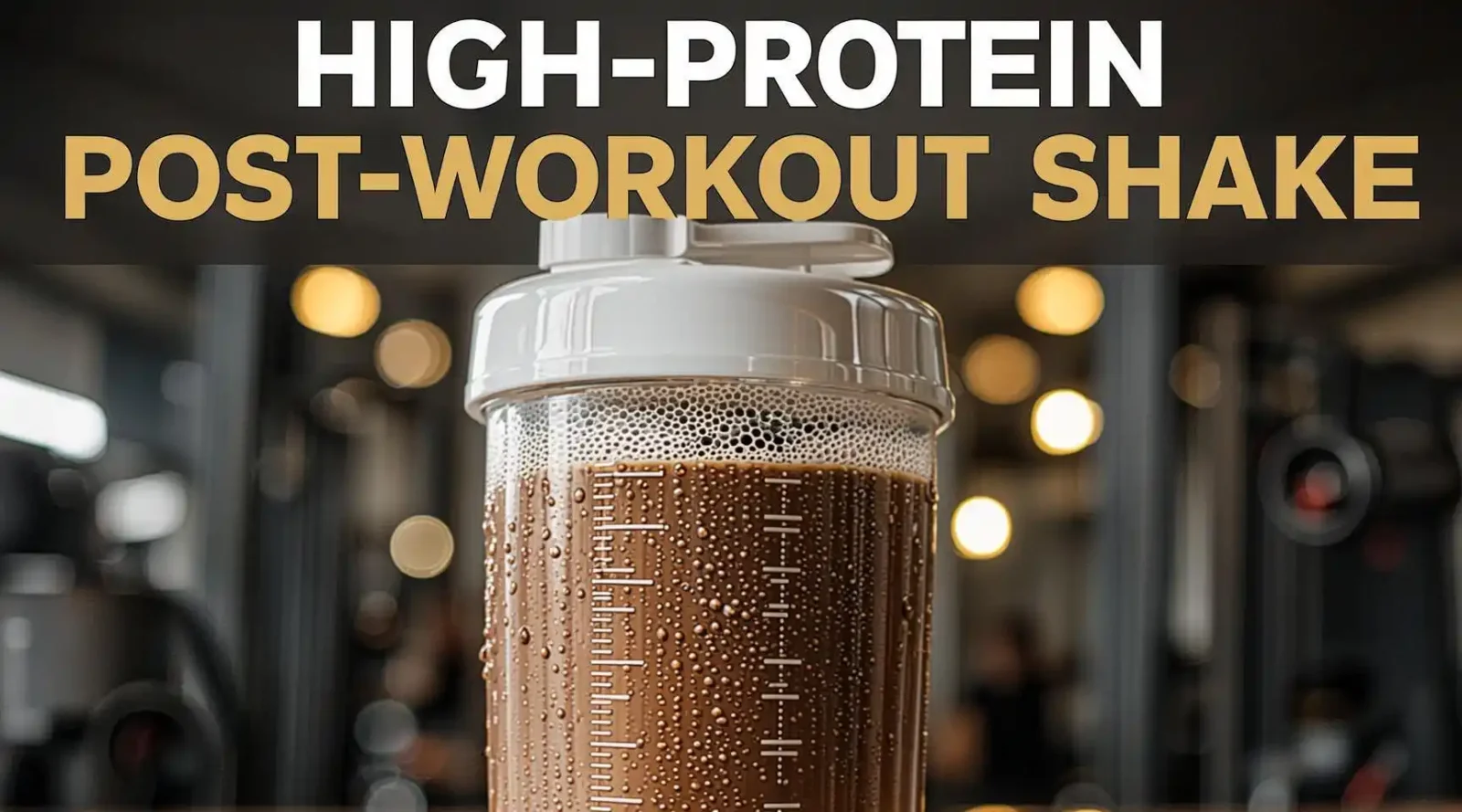
The Ultimate Guide to a High‑Protein Post‑Workout Shake – Science, Recipes, & Pro Tips
Meta Description: Discover the science behind a high‑protein post‑workout shake, the perfect protein amount, best ingredients, and 5 delicious recipes to boost muscle growth and recovery.
Table of Contents
- Why a Post‑Workout Shake Matters
- The Science of Nutrient Timing & Muscle Protein Synthesis
- How Much Protein Do You Really Need?
- Choosing the Right Protein Source
- Core Ingredients for a High‑Protein Shake
- 5 Proven Shake Recipes (All Under 30 Minutes)
- Customising Your Shake for Specific Goals
- Common Mistakes & How to Fix Them
- Frequently Asked Questions
- Bottom Line – Your Blueprint for Better Recovery
- Why a Post‑Workout Shake Matters
When you finish a training session—whether it’s a heavy‑weight squat day, a HIIT sprint, or a long‑distance run—your muscles are primed for recovery. This is the anabolic window, a roughly 30‑ to 60‑minute period when your body is especially efficient at taking up nutrients and converting them into new muscle tissue.
A high‑protein post‑workout shake delivers a rapid, easily digestible dose of amino acids that:
- Stimulates muscle protein synthesis (MPS) – the cellular process that builds new muscle fibers.
- Replenishes depleted glycogen stores (when you pair protein with carbs).
- Reduces muscle soreness by limiting the catabolic environment that follows intense effort.
- Hydrates because most shake formulas are water‑based and can include electrolytes.
Skipping this window doesn’t mean you won’t make gains, but you’re leaving performance on the table. A well‑crafted shake is a low‑effort, high‑return “fuel‑in‑the‑tank” strategy that works for everyone—from beginners to seasoned athletes.
- The Science of Nutrient Timing & Muscle Protein Synthesis
2.1 Muscle Protein Synthesis (MPS) vs. Muscle Protein Breakdown (MPB)
Your muscles are in a constant state of turnover. After resistance training, MPS spikes for up to 48 hours, but MPB also rises immediately after the workout. The net balance—MPS minus MPB—determines whether you’re building or losing muscle.
A high‑protein shake tips the scales toward net protein gain because:
- Leucine, an essential branched‑chain amino acid (BCAA), acts as a molecular switch that triggers MPS. A 2‑gram dose of leucine is often quoted as the minimal threshold.
- Fast‑digesting proteins (e.g., whey) raise blood leucine concentrations quickly, maximizing that early MPS response.
2.2 The “Anabolic Window” Myth (and Why It Still Matters)
Recent studies suggest the window may be broader than the classic 30‑minute rule, especially for habitual protein consumers. However, three key data points keep the window relevant:
| Situation | Ideal Timing | Reason |
| Beginners (≤3 sessions/week) | Within 30 min | Muscles are less “trained” to absorb amino acids later. |
| Caloric deficit (cutting) | Within 45 min | Body is catabolic; rapid protein delivery counters breakdown. |
| High‑volume training (≥2 h) | Within 60 min | Glycogen depletion is larger; carbs + protein speed recovery. |
If you miss this window, you can still meet your daily protein target, but the acute MPS boost will be attenuated.
- How Much Protein Do You Really Need?
3.1 The General Rule
Most research converges on 0.4–0.55 g of high‑quality protein per kg of body weight in the post‑exercise period to maximise MPS. For a 75 kg (165 lb) athlete, that translates to 30–41 g of protein within the first hour after training.
3.2 Split Dosing for Maximal Muscle Growth
If you train multiple times a day (e.g., weightlifting + cardio), you can split the dose:
- First session: 20–25 g protein + 30 g carbs.
- Second session (4–6 h later): Another 20–25 g protein.
This approach maintains a steady stream of amino acids, prolonging the MPS window.
3.3 Adjusting for Goals
| Goal | Protein per Shake | Daily Total (approx.) |
| Strength/Power | 35–45 g (whey isolate) | 1.6–2.2 g/kg |
| Lean Bulking | 30–35 g (whey + casein blend) | 1.8–2.4 g/kg |
| Fat Loss | 30 g (plant‑based blend) | 1.8–2.0 g/kg |
| Endurance | 25 g (whey + carbs) | 1.2–1.6 g/kg |
- Choosing the Right Protein Source
| Protein | Digestion Rate | Leucine Content (g/100 g) | Ideal Use |
| Whey Concentrate | Fast | 10.5 | Everyday post‑workout (cost‑effective). |
| Whey Isolate | Very fast | 11.6 | Lactose‑sensitive or low‑calorie phases. |
| Hydrolyzed Whey | Ultra‑fast | 12.0 | Competitive athletes needing instant absorption. |
| Casein | Slow | 9.7 | Night‑time shake or between‑sessions. |
| Pea Protein | Moderate | 8.2 | Vegan, hypo‑allergenic, or gut‑sensitive users. |
| Soy Protein | Moderate | 7.1 | Plant‑based, complete amino profile. |
| Egg White Protein | Fast‑moderate | 9.3 | Allergen‑friendly (no dairy). |
Key takeaway: For a post‑workout shake, fast‑acting proteins (whey, hydrolyzed whey, egg white) are optimal because they deliver leucine quickly. If you’re blending plant proteins, consider a dual‑source blend (e.g., pea + rice) to achieve a complete amino acid profile.
- Core Ingredients for a High‑Protein Shake
Below is a “building‑block” list. Feel free to swap anything based on dietary preferences or flavor goals.
| Category | Options | Why It Matters |
| Protein Base | Whey isolate, pea‑rice blend, egg‑white powder | Supplies amino acids and leucine. |
| Carbohydrate Source | Oats, maltodextrin, banana, honey, dates | Replenishes glycogen, spikes insulin (helps shuttle amino acids into muscle). |
| Healthy Fats | MCT oil, avocado, almond butter, chia seeds | Slows digestion slightly (good for satiety) and provides omega‑3/6 for anti‑inflammatory benefits. |
| Micronutrients | Spinach/kale (vitamins), cacao (magnesium), turmeric (curcumin) | Supports overall recovery, reduces oxidative stress. |
| Liquids | Water, unsweetened almond milk, oat milk, coconut water | Determines texture and electrolytes. |
| Optional Boosters | BCAAs, creatine monohydrate, beta‑alanine, electrolytes (Na⁺/K⁺) | Tailor to specific performance goals. |
Typical macronutrient breakdown for a 350‑ml shake:
- Protein: 30–40 g (120–160 kcal)
- Carbs: 20–30 g (80–120 kcal)
- Fats: 5–10 g (45–90 kcal)
Total: ~250–370 kcal – a perfect post‑workout fuel without being overly heavy.
- Five Proven Shake Recipes (All Under 30 Minutes)
6.1 Classic Chocolate Whey Power Shake
| Ingredient | Amount | Calories |
| Whey isolate (chocolate) | 30 g | 120 |
| Rolled oats (fine) | 30 g | 115 |
| Unsweetened almond milk | 250 ml | 30 |
| Banana (medium) | ½ | 55 |
| MCT oil | 1 tsp | 35 |
| Creatine monohydrate | 5 g | 0 |
| Ice cubes | ½ cup | 0 |
| Total | — | ~355 kcal |
Directions: Blend oats first for smoother texture, then add remaining ingredients. Drink within 30 minutes post‑session.
6.2 Vegan Green Muscle Builder
| Ingredient | Amount | Calories |
| Pea‑rice protein blend | 35 g | 140 |
| Frozen mango chunks | 100 g | 70 |
| Spinach | 1 cup | 7 |
| Coconut water | 250 ml | 45 |
| Chia seeds | 1 Tbsp | 60 |
| Turmeric powder | ¼ tsp + pinch black pepper | 5 |
| Total | — | ~327 kcal |
Why it works: Pea‑rice provides a full AA profile, mango supplies fast carbs, and turmeric delivers anti‑inflammatory power.
6.3 30‑Minute Recovery Smoothie (For Busy Professionals)
| Ingredient | Amount | Calories |
| Egg‑white protein powder | 25 g | 100 |
| Greek yogurt (non‑fat) | 100 g | 59 |
| Oat flour | 20 g | 75 |
| Berry mix (frozen) | 80 g | 40 |
| Honey | ½ Tbsp | 30 |
| Water | 200 ml | 0 |
| Total | — | ~304 kcal |
Pro tip: Use a high‑speed blender; the oat flour gives a creamy body without extra fat.
6.4 Post‑HIIT Electrolyte Blast
| Ingredient | Amount | Calories |
| Hydrolyzed whey | 30 g | 120 |
| Pale maltodextrin | 30 g | 120 |
| Coconut water | 200 ml | 45 |
| Lime juice | 1 Tbsp | 4 |
| Pinch sea salt | — | 0 |
| Ice | — | 0 |
| Total | — | ~289 kcal |
Benefits: Maltodextrin restores glycogen rapidly, while coconut water and sea salt replenish sodium/potassium lost through sweat.
6.5 Night‑Time Casein Recovery Drink (If You Train Late)
| Ingredient | Amount | Calories |
| Micellar casein | 40 g | 150 |
| Almond butter | 1 Tbsp | 98 |
| Unsweetened soy milk | 250 ml | 80 |
| Cinnamon | pinch | 2 |
| Total | — | ~330 kcal |
Why casein? Its slow release keeps amino acids circulating for 6–8 hours, perfect for overnight muscle repair.
- Customising Your Shake for Specific Goals
7.1 For Strength & Power
- Protein: 35–45 g whey isolate or hydrolyzed whey.
- Carbs: 30–40 g (e.g., dextrose, maltodextrin).
- Add‑ons: 5 g creatine, 2 g beta‑alanine, a pinch of sodium bicarbonate (if training >60 min).
7.2 For Lean Bulking
- Protein: 30 g whey + 10 g casein for a sustained release.
- Carbs: 25–35 g complex (oats, sweet potato powder).
- Fats: 7–10 g (avocado or MCT oil).
- Add‑ons: 1 g omega‑3 fish oil (encapsulated) for joint health.
7.3 For Endurance/Long‑Distance
- Protein: 25 g whey + 10 g BCAAs (optional).
- Carbs: 35–45 g (mix of maltodextrin + fruit).
- Electrolytes: 250 mg sodium, 120 mg potassium (add a pinch of sea salt or an electrolyte tablet).
7.4 For Weight‑Loss (Calorie‑Restricted)
- Protein: 30 g plant‑based blend (pea‑rice).
- Carbs: 15 g (berries or a small banana).
- Fats: 5 g (a half‑Tbsp almond butter).
- Fiber: Add 1 Tbsp ground flaxseed for satiety.
- Common Mistakes & How to Fix Them
| Mistake | Why It Hurts | Fix |
| Using low‑quality protein (e.g., cheap soy with low leucine) | MPS threshold not reached | Choose a protein with ≥10 g leucine per serving. |
| Skipping carbs altogether | Insulin response is low; amino acids shunted to liver for gluconeogenesis instead of muscle. | Add 20–30 g fast‑acting carbs (fruit, maltodextrin). |
| Over‑diluting the shake | Slower gastric emptying; you may feel full but not absorb nutrients quickly. | Keep liquid ratio ~250–300 ml for 30–40 g protein. |
| Consuming the shake >2 h post‑workout | MPS response blunted. | Plan ahead: pre‑portion powder & liquid in a bottle; shake up immediately after the session. |
| Ignoring personal tolerances (e.g., dairy intolerance) | GI upset → reduced nutrient uptake. | Switch to dairy‑free protein (pea, egg white). |
| Relying on the shake for all calories | Misses out on whole‑food micronutrients. | Pair the shake with a balanced meal if you need extra calories. |
- Frequently Asked Questions
Q1. Do I need a post‑workout shake if I already eat a protein‑rich meal later?
A: Yes, the acute MPS boost from a shake is time‑sensitive. A whole meal later (2–3 h) complements but does not replace the immediate need.
Q2. Can I take the shake on rest days?
A: You can, but it’s not necessary unless you’re trying to meet a high daily protein target. Whole foods are more cost‑effective on off‑days.
Q3. Is whey protein safe for people with kidney issues?
A: Individuals with pre‑existing kidney disease should consult a healthcare professional. For healthy adults, higher protein intakes are safe.
Q4. How long can I store a prepared shake in the fridge?
A: Up to 24 hours if kept at <4 °C. Use a sealed bottle and give it a quick shake before drinking.
Q5. Should I add BCAAs on top of a high‑protein shake?
A: Not usually; a quality protein source already supplies sufficient BCAAs. Extra BCAAs may be useful only for ultra‑endurance athletes or during fasting periods.
- Bottom Line – Your Blueprint for Better Recovery
A high‑protein post‑workout shake is one of the simplest, most cost‑effective tools in an athlete’s arsenal. By delivering 30–45 g of fast‑digesting protein, paired with 20–40 g of carbohydrates, you:
- Accelerate muscle‑building signals via leucine‑driven MPS.
- Replenish glycogen quickly to prepare you for the next training session.
- Reduce muscle soreness and improve subsequent performance.
The key is quality, timing, and personalisation. Use the science‑backed guidelines in this guide to craft a shake that fits your training split, dietary preferences, and performance goals. Experiment with the recipes, tweak macronutrients, and track your progress. Your muscles will thank you—and your taste buds too!
Keywords (use them for SEO)
- high‑protein shake
- post‑workout recovery
- muscle growth
- protein powder
- nutrient timing
- best shake recipes
Hashtags for Social Sharing
#HighProteinShake #PostWorkout #FitnessFuel #MuscleRecovery #ProteinPower #ShakeRecipe
Disclaimer: The information provided in this article is for educational purposes only and does not constitute medical, nutritional, or professional advice. Always consult a qualified healthcare or nutrition professional before making significant changes to your diet or supplement regimen, especially if you have underlying health conditions, are pregnant, nursing, or taking medication.
Happy blending, and may your gains be as smooth as your post‑workout shake!














Leave a comment