



















Full Coverage vs. Liability: Which Car Insurance Do You Need?
Your ultimate guide to making an informed decision, saving money, and staying protected on the road.
Disclaimer: This article is for informational purposes only and does not constitute legal, financial, or insurance advice. Always consult a licensed insurance professional or attorney to assess your individual situation before purchasing any insurance product.
Table of Contents
- Why This Question Matters
- Understanding the Basics
- 2.1 What Is Liability Insurance?
- 2.2 What Does “Full Coverage” Really Mean?
- The Real‑World Cost Comparison
- When Liability Is Sufficient
- When Full Coverage Makes Sense
- Hybrid Approaches & Add‑On Options
- State‑Specific Minimums & Legal Requirements
- Tools to Evaluate Your Needs
- Common Myths Debunked
- FAQs
- Bottom Line: How to Choose
- Why This Question Matters
Driving is one of the few activities that blends freedom, responsibility, and risk. Even the safest driver can be hit by an inattentive motorist, and even a minor fender‑bender can spiral into a costly repair bill, a medical claim, or a lawsuit.
Choosing the right type of car insurance is not just a box‑checking exercise; it’s a financial safety net that can protect your assets, preserve your credit score, and give you peace of mind.
But the market is noisy. “Full coverage” is advertised everywhere, while “liability” often appears as the bare‑minimum legal requirement. So, which one truly serves your needs?
- Understanding the Basics
Before you can decide, you need to know exactly what each product covers—and what it doesn’t.
2.1 What Is Liability Insurance?
| Component | What It Covers | Typical Limits (example) |
| Bodily Injury Liability (BI) | Medical expenses, lost wages, pain & suffering of others you’re legally responsible for | $25,000 per person / $50,000 per accident (often written 25/50) |
| Property Damage Liability (PD) | Repairs or replacement of another person’s property (usually their car) | $25,000 per accident |
| Legal Defense | Attorney fees and court costs (usually rolled into the liability limits) | Included in BI/PD limits |
Key points
- No coverage for your vehicle – If you’re at fault, you’ll pay out‑of‑pocket for your own repairs.
- No coverage for your injuries – Medical expenses for you and your passengers aren’t covered unless you add personal injury protection (PIP) or medical payments (MedPay).
- It’s the legal baseline – Every state (except New Hampshire) requires drivers to carry at least a minimum amount of liability insurance.
2.2 What Does “Full Coverage” Really Mean?
The term “full coverage” is a marketing shorthand, not a statutory definition. In practice, it is a bundle that typically includes:
| Coverage | What It Adds to Liability |
| Collision | Pays for damage to your car resulting from a collision with another vehicle or object, regardless of fault (up to your deductible). |
| Comprehensive | Covers non‑collision events (theft, vandalism, fire, natural disasters, falling objects, animal collisions). |
| Uninsured/Underinsured Motorist (UM/UIM) | Pays for your injuries and, in some states, vehicle damage when the at‑fault driver lacks sufficient coverage. |
| Medical Payments (MedPay) or Personal Injury Protection (PIP) | Reimburses medical expenses for you and your passengers, regardless of fault. |
| Optional Add‑Ons (e.g., rental reimbursement, roadside assistance, gap insurance) | Helps offset ancillary costs while your car is being repaired or replaced. |
What full coverage does NOT guarantee
- Unlimited liability – The BI/PD limits are still bounded by the policy’s stated limits. If you cause a catastrophic accident that exceeds those limits, you could be personally liable for the excess.
- Coverage for “acts of God” that are excluded – Some comprehensive policies exclude certain natural disasters (e.g., flood in a non‑flood‑zone area) unless specifically added.
- The Real‑World Cost Comparison
| Scenario | Liability‑Only (Average Annual Premium) | Full Coverage (Average Annual Premium) |
| New driver, 20‑y/o, compact car | $1,200 – $1,800 | $2,500 – $3,500 |
| Mid‑life driver, 35‑y/o, sedan, clean record | $850 – $1,200 | $1,600 – $2,300 |
| Experienced driver, 50‑y/o, SUV, good credit | $650 – $950 | $1,200 – $1,800 |
| High‑risk market (e.g., Detroit, LA) | $2,500 – $3,500 | $4,500 – $6,500 |
Why the gap?
- Collision & comprehensive add‑on costs – These cover “own‑damage” risks, which insurers assess as high‑frequency claims.
- Higher limits & additional coverages – Adding UM/UIM, PIP, or higher liability limits bumps the price.
- Vehicle value & repair costs – More expensive cars cost more to replace or repair, driving up premiums.
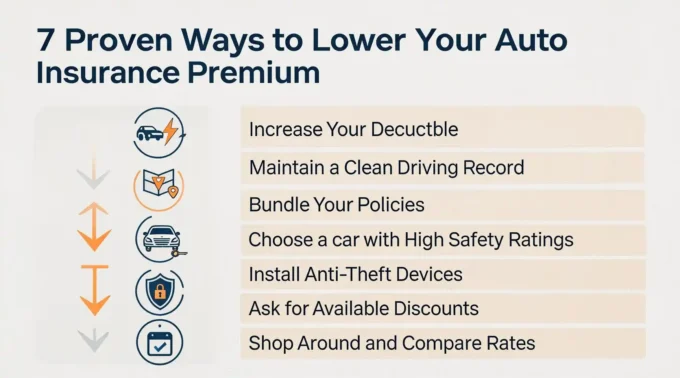
Tips to shrink the gap
- Raise deductible – Moving from $500 to $1,000 can shave 10‑15% off a full‑coverage quote.
- Bundle policies – Homeowners + auto often unlock multi‑policy discounts of 5‑15%.
- Seek usage‑based discounts – Telemetry programs that reward safe driving can lower premiums.
- Shop the market – Prices can vary 20‑30% between insurers for the same coverage.
- When Liability Is Sufficient
4.1 You Own an Older, Low‑Value Vehicle
If your car’s actual cash value (ACV) is less than or close to the cost of a liability‑only policy, you’re essentially paying more for coverage than the car’s worth. Example:
- 2010 Honda Civic, ACV $4,500
- Liability‑only premium $900/year
- Full coverage premium $1,700/year
Even if a total loss occurs, your insurance payout would be roughly $4,500, while you’d have spent $2,800 over a 5‑year ownership period for full coverage. In such cases, liability (plus a modest MedPay rider) is the rational choice.
4.2 You Have Robust Savings or an Emergency Fund
If you can comfortably replace or repair your vehicle out‑of‑pocket—typically 3–6 months of living expenses—you may opt for liability only. This strategy is common among:
- Professionals who receive a company car (personal vehicle is a secondary asset).
- Individuals who keep a dedicated auto‑repair fund in a high‑yield savings account.
4.3 You Drive Infrequently
For “low‑mileage drivers” (e.g., <5,000 miles/yr) who use public transportation, car‑sharing, or ride‑hail services most of the time, the exposure to an at‑fault claim is low. Insurance companies sometimes offer “pay‑per‑mile” or “usage‑based” policies that may combine liability with optional limited collision/comprehensive for the miles you actually drive.
- When Full Coverage Makes Sense
5.1 You Have a New or Valuable Car
Manufacturers’ warranties typically cover repairs for the first 3‑5 years, but they don’t pay for total loss or deductibles. If the vehicle’s market value is high, the cost of replacing it after an accident can be catastrophic without collision/comprehensive protection.
Example: 2024 Toyota Camry XLE
| Item | Cost |
| Purchase price (MSRP) | $31,000 |
| Average annual collision/comprehensive | $1,200 |
| Total cost over 5 years (incl. depreciation) | $36,000 |
If you’re involved in a single collision that writes off the car, you’d lose the entire $31,000 investment without full coverage—far more than paying $1,200 per year.
5.2 You Have Significant Financial Obligations
Owning a mortgage, student loans, or other high‑value assets increases the stakes of a lawsuit. Even with high liability limits, a catastrophic accident could generate judgments exceeding your policy limits. Adding umbrella insurance (extra $1‑$5 million) can plug that gap, but many drivers combine umbrella with full coverage to avoid any exposure.
5.3 You Want Predictable Monthly Expenses
A collision deductible of $500 means you’ll pay that amount out of pocket after a crash, but you’ll avoid the “unknown” cost of a repair estimate that could easily top $2,000 or more. If you value budget certainty, a full‑coverage plan with a fixed deductible helps lock in the cost.
5.4 You Frequently Drive In High‑Risk Environments
- Urban centers with dense traffic and high accident frequency.
- Rural areas where road conditions (snow, gravel) increase the chance of single‑vehicle crashes.
- Seasonal work (delivery, rideshare, contract driving) that puts your car on the road ≥8,000 miles/year.
In these contexts, the likelihood of a collision is statistically higher, so the expected value of full coverage outweighs the premium cost.
5.5 You Want the Extra Peace of Mind
Even if numbers suggest liability could suffice, many drivers value the emotional security that comes from knowing their car is protected against theft, hail, or a surprise dent from a rogue shopping cart. This “soft” benefit is hard to quantify but often decisive.
- Hybrid Approaches & Add‑On Options
You don’t have to pick a binary “liability vs. full coverage” – there are customizable combinations that let you fine‑tune protection to your budget.
| Hybrid Option | What It Includes | When It Shines |
| Liability + Collision (No Comprehensive) | Covers damages you cause to others and damages to your car from crashes, but not theft, fire, or natural disasters. | For drivers with a relatively new car in a safe garage (low theft risk). |
| Liability + Comprehensive (No Collision) | Protects against non‑collision perils (theft, vandalism, weather) while keeping collision coverage out. | Ideal for drivers in flood‑prone or high‑theft areas but who drive low mileage. |
| Liability + UM/UIM + PIP | Bolsters protection when the at‑fault driver lacks coverage and adds medical expenses for you. | Great for states without mandatory PIP and for drivers who frequently have passengers. |
| Liability + Gap Insurance | Pays the difference between loan/lease balance and ACV after a total loss. | Essential if you’re financing/leasing a car with less than 20% down payment. |
| Liability + Roadside Assistance | Adds towing, tire‑change, lock‑out services. | Handy for long commuters or drivers in remote areas. |
How to Build Your Hybrid
- Start with your state’s legal minimum (liability).
- Add collision or comprehensive – whichever aligns with your risk profile.
- Layer on UM/UIM if you frequently interact with drivers of unknown insurance status (e.g., rideshare).
- Add PIP/MedPay if you lack health coverage or have a high deductible health plan (HDHP).
- Consider umbrella if you have assets >$250k or want extra liability cushions.
- State‑Specific Minimums & Legal Requirements
| Region | Minimum Liability (BI/PD) | UM/UIM Required? | PIP Required? |
| California | $15,000/$30,000/$5,000 (BI per person/per accident/property) | No (optional) | No (optional) |
| Florida | $10,000/$20,000/$10,000 (PD) | Yes (minimum $10k) | Yes (minimum $10k) |
| New York | $25,000/$50,000/$10,000 | No (optional) | No (optional) |
| Texas | $30,000/$60,000/$25,000 | No (optional) | No (optional) |
| Michigan | $20,000/$40,000/$10,000 (PD) | No (optional) | Yes (no‑fault system) |
Tip: Even if your state’s minimum seems “low,” you may fall short in a serious accident. Most financial advisors recommend doubling the required limits (e.g., 50/100/25) for a comfortable safety net.
- Tools to Evaluate Your Needs
| Tool | Description | How to Use |
| Insurance Quote Aggregator (e.g., NerdWallet, The Zebra) | Generates side‑by‑side quotes from multiple carriers based on your inputs. | Enter vehicle, driving history, desired coverages; compare premiums and discounts. |
| Vehicle Depreciation Calculator (Kelley Blue Book, Edmunds) | Shows ACV and projected depreciation over time. | Input make, model, year; see how quickly the car loses value to gauge collision need. |
| Liability Exposure Calculator (Online calculators) | Estimates potential out‑of‑pocket costs if you’re sued. | Input policy limits, assets, state median claim amounts. |
| Umbrella Need Analyzer (Insurance company tools) | Recommends optimal umbrella coverage based on assets and existing policies. | Provide net worth, existing liability limits; get a suggested umbrella amount. |
| Annual Budget Planner (Personal finance apps) | Tracks your savings, emergency fund, and monthly expenses. | Determine how much you can afford for premiums without compromising other goals. |
Putting the data together
- Step 1: Determine your vehicle’s ACV and depreciation curve.
- Step 2: Run a liability‑only quote and a full‑coverage quote (same insurer).
- Step 3: Use the exposure calculator to see how much you could owe beyond liability limits.
- Step 4: Factor in your emergency fund, assets, and personal tolerance for risk.
- Step 5: Choose the coverage mix that minimizes total expected cost (premium + potential out‑of‑pocket).
- Common Myths Debunked
| Myth | Reality |
| “Full coverage means I’m completely protected.” | Full coverage only covers what’s listed in the policy; limits still apply, and some perils (e.g., intentional damage) remain excluded. |
| “Liability only is only for reckless drivers.” | Liability is the legal baseline for all drivers; many financially savvy drivers choose it for older cars. |
| “My credit score doesn’t affect my premium.” | Insurers often use credit‑based insurance scores; a better credit history can lower both liability and full‑coverage rates. |
| “I can’t file a claim if I have a high deductible.” | You can file any time; the deductible simply determines how much you pay out‑of‑pocket before the insurer pays. |
| “My homeowner’s policy will cover my car if it’s damaged.” | Homeowners insurance only covers personal property; vehicles must be insured under an auto policy. |
| “If I have PIP, I don’t need MedPay.” | In states where PIP is optional, adding MedPay can fill gaps if you opt out of PIP or your health insurance has high deductibles. |
- Frequently Asked Questions
Q1: Can I drop collision coverage once I’ve paid off my loan?
A: Yes. Once you own the car outright, you’re free to adjust coverage. However, evaluate the vehicle’s market value and your personal ability to absorb a total‑loss expense before removing collision.
Q2: Does full coverage automatically include uninsured motorist protection?
A: Not automatically. UM/UIM is usually a separate endorsement. Some insurers bundle it into “full coverage” packages, but always verify the policy language.
Q3: How does a “deductible” differ between collision and comprehensive?
A: They can be the same amount or different, depending on your choice. Some drivers set a higher comprehensive deductible (e.g., $1,000) because they expect fewer non‑collision claims, while keeping a lower collision deductible (e.g., $500) for more frequent crash risk.
Q4: Will my premiums go up if I add a teenage driver?
A: Typically, yes. Adding a high‑risk driver can increase premiums by 25‑100%. Mitigate the impact by enrolling them in a good‑student discount, safe‑ driving courses, or a usage‑based telematics program.
Q5: What is “gap insurance,” and do I need it?
A: Gap insurance pays the difference between what you owe on a lease/loan and the car’s actual cash value after a total loss. It’s highly recommended for anyone who financed more than 20% down or is leasing.
Q6: Can I have different coverage limits for each vehicle on a multi‑car policy?
A: Yes. Most insurers allow you to customize limits per vehicle, which can be a cost‑saving measure if you have a high‑value car and an older, low‑value second car.
Q7: Is “no‑fault” insurance the same as “full coverage”?
A: No. “No‑fault” refers to a system where each driver’s own insurance pays for medical expenses, regardless of fault. Full coverage refers to the breadth of auto policy coverages (liability, collision, comprehensive, etc.).
- Bottom Line: How to Choose
- Assess Your Vehicle’s Value – If you could replace the car for less than the cost of a full‑coverage premium over its remaining life, liability may be enough.
- Calculate Your Risk Exposure – Add up your assets, potential liability judgments, and existing insurance (umbrella, health). If a lawsuit could jeopardize your net worth, lean toward full coverage + higher liability limits.
- Consider Your Driving Habits – High mileage, urban traffic, or rideshare work increase collision probability; your coverage should reflect that.
- Review Your Financial Cushion – A solid emergency fund can make a liability‑only policy viable; otherwise, the peace of mind of full coverage is worth the extra cost.
- Tailor, Don’t Buy Blindly – Use the hybrid options and add‑ons to match specific gaps (e.g., gap insurance, UM/UIM).
- Shop Annually – Market rates shift; re‑quote every 12 months to ensure you still have the best price for the coverage you need.
Quick Decision Checklist
| Decision Factor | Liability‑Only | Full Coverage | Hybrid (e.g., LI+Collision) |
| Car Age/Value | ✅ (≤ $5k) | ❌ (high value) | ✅ (mid‑range) |
| Emergency Fund | ✅ (≥ 6 months) | ❌ (limited) | ✅ |
| Annual Miles | ✅ (<5k) | ❌ (≥8k) | ✅ |
| Asset Protection | ❌ (high net worth) | ✅ | ✅ (moderate) |
| Legal Requirements | ✅ (state minimum) | ✅ | ✅ |
| Peace of Mind | ❌ (worry) | ✅ | ✅ (balanced) |
Final Thought
Choosing between liability and full coverage isn’t an either/or proposition; it’s a nuanced decision that balances financial reality, risk tolerance, and personal priorities. By dissecting the true meaning of each policy, crunching the numbers, and customizing your protection, you can drive confidently knowing you’ve made the smartest, most cost‑effective choice for your unique situation.
Keywords
- car insurance
- full coverage
- liability coverage
Hashtags
- #CarInsurance
- #FullCoverage
- #LiabilityCoverage
Ready to fine‑tune your policy? Grab a free quote from three top carriers, run the calculators above, and talk to a licensed agent who can tailor a plan that fits your budget and protects what matters most.
If you found this guide helpful, share it with friends who are shopping for auto insurance, and leave a comment below with any questions you still have—we love hearing from you!













Leave a comment