


















How to Cook with a Cast‑Iron Skillet: The Complete Guide for Home Chefs
Whether you’re a seasoned home cook or just starting out, a cast‑iron skillet is the single most versatile tool you can add to your kitchen arsenal. From searing a steak to baking a cornbread, this heavyweight workhorse delivers unbeatable heat retention, natural non‑stick properties, and a rustic flavor that elevates every dish. Below you’ll find a step‑by‑step tutorial, proven cast‑iron cooking tips, and maintenance secrets that will keep your skillet performing for generations.
Meta Description
Master the art of cooking with a cast‑iron skillet—seasoning, recipes, cleaning tips, and expert care advice for flawless, flavor‑rich results every time.
⚠️ Disclaimer: The instructions and recommendations in this article are for general educational purposes only. Always follow the manufacturer’s safety guidelines and use appropriate protective equipment when handling hot cookware.
Table of Contents
- Why Choose a Cast‑Iron Skillet?
- Seasoning 101: Building Your Skillet’s Natural Non‑Stick Surface
- Essential Pre‑Cooking Preparations
- Core Cooking Techniques
- 4.1 Searing & Browning
- 4.2 Pan‑Frying & Sautéing
- 4.3 Baking & Roasting
- Cleaning & Maintenance: Keep Your Skillet in Peak Condition
- Top 5 Easy Cast‑Iron Skillet Recipes
- Frequently Asked Questions
- Final Thoughts & Next Steps
- Why Choose a Cast‑Iron Skillet?
| Feature | Benefit | Why It Matters |
| Superior Heat Retention | Even, stable temperature for up to an hour | Perfect for searing, caramelizing, and low‑and‑slow cooking |
| Natural Non‑Stick Surface (when properly seasoned) | Less oil needed, easy food release | Healthier meals and faster clean‑up |
| Durability | Can last a lifetime, even become a family heirloom | Low replacement cost, eco‑friendly |
| Versatility | Works on stove, oven, grill, and even over campfires | One pan for multiple cooking methods |
| Flavor Development | Build‑up of polymerized oils adds depth to dishes | Every meal gets richer with each use |
These advantages make the cast‑iron skillet cooking experience distinctly superior to using non‑stick or stainless‑steel alternatives.
- Seasoning 101: Building Your Skillet’s Natural Non‑Stick Surface
A well‑seasoned skillet is the foundation of successful cast‑iron skillet recipes. Follow these professional steps:
- Pre‑Heat the Oven – Set to 450 °F (230 °C).
- Scrub the Skillet – Use hot water, a stiff brush, and a small amount of mild dish soap (only the first time). Rinse and dry thoroughly.
- Apply a Thin Layer of Oil – Choose a high‑smoke‑point oil (flaxseed, grapeseed, or refined vegetable oil). Wipe the interior and exterior with a paper towel until the surface looks “shiny but not slick.”
- Bake Upside‑Down – Place the skillet upside‑down on the top rack; put a foil‑lined tray on the bottom rack to catch drips. Bake for 1 hour.
- Cool in the Oven – Shut the door and let the skillet cool completely before removal.
Repeat steps 3–5 two to three more times for a robust seasoning layer. After each cooking session, a light coat of oil while the pan is still warm will continue to build the polymerized layer, creating a true seasoned cast‑iron pan.
Pro tip: If you notice a dull gray finish or sticky spots, repeat the seasoning cycle to restore the surface.
- Essential Pre‑Cooking Preparations
| Preparation | How‑to | Impact |
| Pre‑heat the Skillet | Place skillet over medium heat for 3–5 minutes. Lightly flick water droplets; they should sizzle and evaporate instantly. | Guarantees even cooking and prevents food from sticking. |
| Add the Right Amount of Fat | Use ½–1 tsp of oil or butter for low‑fat dishes; up to 2 tsp for high‑heat searing. | Enhances Maillard browning while protecting the seasoning. |
| Pat Food Dry | Pat meats and vegetables with paper towels before placing them in the pan. | Reduces steam, promotes a crisp crust. |
| Avoid Overcrowding | Give each piece space; crowding drops the pan temperature. | Maintains intense heat for proper sear. |
| Use Heat‑Resistant Utensils | Wood, silicone, or cast‑iron tools. | Prevents scratching the seasoned surface. |
- Core Cooking Techniques
4.1 Searing & Browning
- Heat the skillet over medium‑high until a drop of water dances.
- Add oil (just enough to coat).
- Place the protein (steak, chicken breast, pork chop) away from you.
- Leave undisturbed for 3–4 minutes; a deep caramelized crust will form.
- Flip and finish to desired doneness.
Why it works: The heavyweight of cast iron retains a high surface temperature, producing the Maillard reaction that locks in juices and flavor.
4.2 Pan‑Frying & Sautéing
- Vegetables: Start with a thin layer of oil, then add chopped veggies. Toss only once or twice; the high heat gives a pleasant char without over‑cooking.
- Eggs & Pancakes: Pre‑heat on low‑medium, add a modest amount of butter, and pour batter or crack eggs. The seasoned surface ensures easy release.
4.3 Baking & Roasting
Because the skillet can move from stovetop to oven, it’s perfect for:
- Cornbread: Pour batter into a pre‑heated, oiled skillet for a crispy edge and fluffy interior.
- Frittatas: Sauté aromatics, add beaten eggs, then finish under the broiler for a golden top.
- Roasted Vegetables: Toss root veggies in oil, spread in the skillet, and roast at 425 °F (220 °C) for 20‑30 minutes, stirring halfway.
- Cleaning & Maintenance: Keep Your Skillet in Peak Condition
| Cleaning Step | Method | Do / Don’t |
| Cool Before Washing | Let the skillet cool 5‑10 minutes; hot water can cause warping. | Don’t pour cold water onto a hot pan. |
| Use Hot Water & Brush | Scrape with a non‑metal brush or chainmail scrubber; mild soap is acceptable if seasoning is already strong. | Don’t soak for long periods—cast iron can rust. |
| Dry Immediately | Pat dry with a lint‑free cloth or place on low heat to evaporate moisture. | Don’t air‑dry; water left on the surface leads to rust. |
| Re‑Oil Lightly | While still warm, wipe a thin layer of high‑smoke‑point oil across the interior. | Don’t use excessive oil; it can become sticky. |
| Store Properly | Keep a paper towel or cloth inside the skillet to absorb moisture; store in a dry cabinet. | Don’t stack with other cookware without a protective layer. |
Rust Removal: If rust appears, gently scrub with steel wool, rinse, dry, and repeat the seasoning cycle.
- Top 5 Easy Cast‑Iron Skillet Recipes
- Classic Pan‑Seared Ribeye
- Ingredients: 1‑inch ribeye, sea salt, cracked black pepper, 1 tbsp avocado oil, 2 tsp butter, 2 garlic cloves, rosemary sprig.
- Method: Pre‑heat skillet, sear 4‑5 min per side, add butter, garlic, rosemary, baste for 1 min. Rest 5 min before slicing.
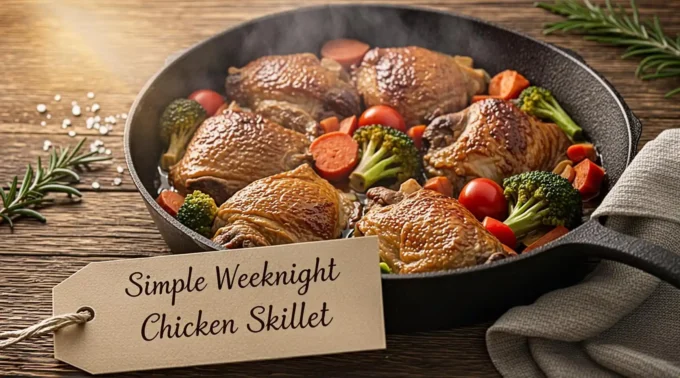
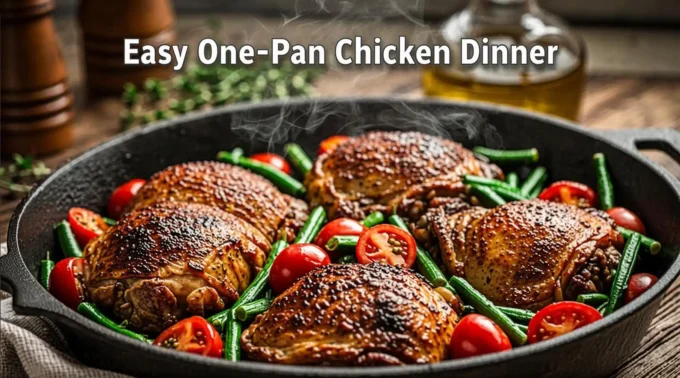
- One‑Pan Chicken & Veggie Roast
- Ingredients: Bone‑in‑skin chicken thighs, baby potatoes, carrots, olive oil, smoked paprika, thyme, salt, pepper.
- Method: Toss everything with oil & spices, arrange in skillet, roast at 425 °F (220 °C) for 35‑40 min.
- Skillet Breakfast Hash
- Ingredients: Diced potatoes, bell peppers, onion, chorizo, eggs, cheddar, hot sauce.
- Method: Crisp potatoes 8 min, add veggies & chorizo 4 min, make wells, crack eggs, cover & cook until whites set.
- Southern Cornbread
- Ingredients: 1 cup cornmeal, 1 cup flour, ¼ cup sugar, 1 tbsp baking powder, ½ tsp salt, 1 cup buttermilk, 2 eggs, ¼ cup melted butter.
- Method: Pre‑heat skillet with 2 tbsp oil, pour batter, bake at 400 °F (200 °C) for 20‑25 min.
- Chocolate Lava Skillet Cake
- Ingredients: ½ cup flour, ¼ cup cocoa powder, ¼ cup sugar, 2 eggs, ¼ cup melted butter, ¼ cup chocolate chips, pinch of salt.
- Method: Mix batter, pour into a buttered skillet, bake 12‑15 min; center stays molten. Serve with vanilla ice cream.
These recipes showcase the cast‑iron cooking tips outlined above, proving that a single skillet can handle everything from savory mains to indulgent desserts.
- Frequently Asked Questions
| Question | Answer |
| Do I need to season a brand‑new cast‑iron skillet? | Yes. Even pre‑seasoned pans benefit from an initial seasoning to establish a uniform layer. |
| Can I use metal utensils? | It’s best to avoid sharp metal tools; they can scrape away the seasoning. Opt for wood, silicone, or cast‑iron tongs. |
| Is it safe to cook acidic foods (tomatoes, vinegar) in cast iron? | Short‑term cooking is fine once the skillet is well‑seasoned; prolonged exposure can break down the seasoning layer. |
| How often should I re‑season? | Whenever the surface looks dull, sticky, or starts to rust. Many home chefs re‑season every 3–6 months with regular cooking. |
| Can I put a cold skillet in a hot oven? | No. Sudden temperature changes cause cracking or warping. Always pre‑heat the skillet gradually. |
| Will the skillet become heavier over time? | No. The weight remains constant; only the surface condition changes. |
- Final Thoughts & Next Steps
Cooking with a cast iron skillet is both an art and a science. By mastering seasoning, temperature control, and proper maintenance, you’ll unlock an unmatched depth of flavor and a tool that can be handed down for generations.
Ready to start?
- Season your skillet (or refresh the seasoning).
- Practice the basic techniques—sear, sauté, bake.
- Experiment with the recipes above, adjusting herbs, spices, and cooking times to suit your palate.
Your skillet will reward you with an ever‑improving, naturally non‑stick surface, and you’ll gain confidence that translates to every other piece of cookware in your kitchen.
Keywords (Integrated for SEO)
- cast iron skillet cooking
- seasoned cast iron pan
- cast iron skillet recipes
- how to use cast iron
- cast iron skillet care
- cast iron cooking tips
Suggested Hashtags for Social Sharing
#CastIronCooking #SkilletSeasoning #HomeChef #KitchenTips #Foodie #CookingMadeEasy
Enjoy the sizzle, the flavor, and the lasting legacy of cooking with cast iron!










Leave a comment